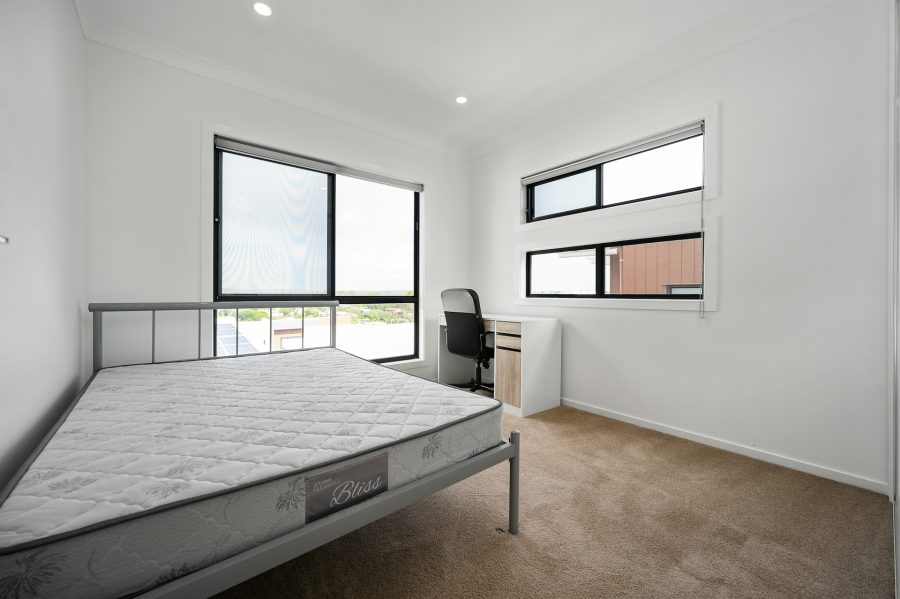
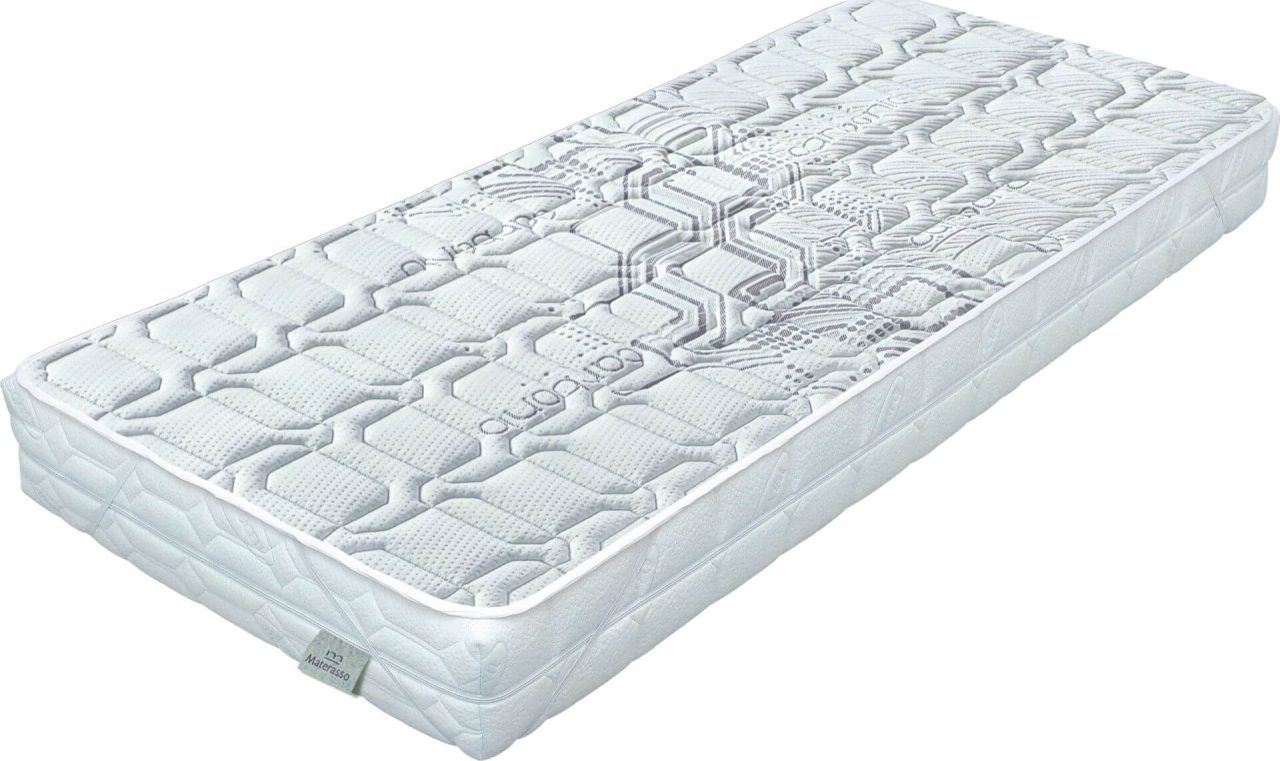
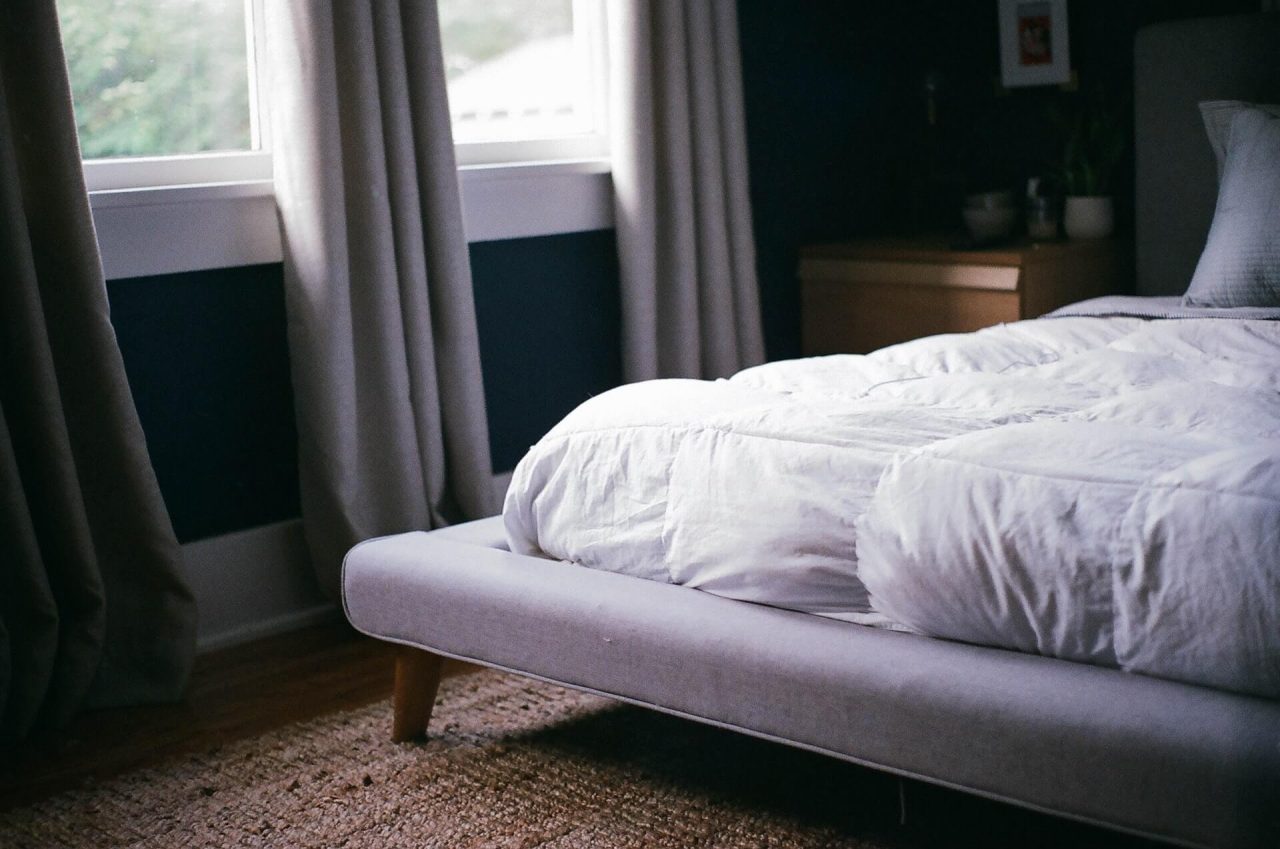
A mattress is a consumer product that loses its specific characteristics over time. If you bought your mattress 10 years ago, or if you wake up in the morning tired and with back and joint pain, it’s time to replace your old mattress with a new one. How do you know when your mattress has had it, how often to change your mattress and what to do with the old one?
When is the right time to change the mattress?
Many people sleep on a mattress until it literally falls apart. Sometimes they try to save it with a temporary fix or a mattress pad. Visible and noticeable damage is a sign that your mattress has seen its best days. Replacing your mattress is crucial not only for comfort, but also for your health.
How to know when the days of the mattress have come to an end?
Age – in some cases, the mattress may have no visible damage, so why get rid of it? From a hygiene point of view, it is recommended to replace the mattress every 7-10 years. You will spend up to one third of your life sleeping. You will sweat gallons of sweat into the mattress in that time. You also get human skin, hair and dust on it every night. This creates a breeding ground for the growth of bacteria and mould that can cause allergies and other health problems.
Visible damage – if the mattress cover is ripping, you can see a dent in it, or you get up from it but it won’t return to its original position, it’s time to reach for a replacement.
Visible damage – the question of when to throw away an old mattress is answered by your body. Do you feel the springs of the spring mattress pressing on you? Do you feel dimples on the mattress surface? Do you feel lumps in the mattress? These are signs of a damaged mattress.
Audible squeaks – especially with spring mattresses, age is reflected in the springs starting to squeak. The sound can disturb you while you sleep.
Poor quality sleep – one of the main tell-tale signs of a bad mattress is poor quality sleep. If you wake up tired in the morning, your cervical spine, hips or joints hurt, or you toss and turn frequently during the night, it’s most likely because of your mattress.
How often to change the mattress?
As a general rule: change your mattress every 7 to 10 years. But it also depends on the type, material and use. It’s not just about comfort – an old mattress no longer meets hygiene or orthopaedic requirements.
Mattress lifetime by type
Type of mattress
Average lifetime
Foam
6-8 years
Bag
8-10 years
Latex
10-12 years
Sandwich (combined)
8-10 years
Cheap PUR foam
4-6 years
After about this time, the mattress loses its orthopaedic properties and may no longer provide optimal support for your support system, which will result in pain. Even with regular airing, cleaning and the use of a protective cover or mattress protector, it is advisable to replace the mattress from a hygienic point of view. However, if the mattress is of poor quality or shows damage earlier than the recommended replacement period, do not delay this step and get a replacement in time.
What affects the life of a mattress?
Body weight of the user – higher load accelerates wear.
How you use it – a mattress for everyday sleeping ages faster than one for guests.
Quality of materials – more durable materials (e.g. cold foam or latex) last longer.
Grating type – a slatted grid will prolong the life of a foam mattress, while a solid slab can destroy it.
Care – regular ventilation, using a mattress protector and rotating the mattress (if the design allows it) are the keys to a longer life.
How to extend the life of the mattress?
Use a mattress protector – it keeps sweat, moisture and dirt out.
Don’t put it under extreme stress – children jumping on it or using the mattress as a “couch” will shorten its life.
Mattress protector
The mattress protector significantly prolongs the hygienic and functional life of the mattress. It traps sweat, moisture and dirt and prevents their penetration into the mattress core. Its use is particularly suitable for allergy sufferers or families with small children.
Image: A mattress protector can extend the life of your mattress.
Why not to underestimate regular mattress replacement
The main reason is your health. When you sleep, your body needs sufficient support to fully regenerate. Poor quality sleep takes a toll not only on your physical health but also on your mental health. If you don’t get a good night’s rest, it can occur:
irritability and tension,
reduced ability to concentrate,
weakened immunity,
headaches and spinal pain,
problems with high pressure,
premature wrinkles,
general weakness and fatigue.
In addition, mattress requirements change with age and health. While younger people should sleep on harder mattresses, older people will be better suited to softer mattresses. In addition, you may change your sleeping position or develop health problems that will require a different type of mattress. A time horizon of 7-10 years of mattress use is therefore optimal in this regard.
The most common myths about mattress replacement
“If the mattress looks good, it’s still fine” – No – microorganisms, mould and deformations inside are not visible to the eye.
“An expensive mattress lasts forever” – Even the best mattress won’t last more than 10-12 years. Even the best materials age.
“Put a topper on the mattress and it will be as good as new” – A topper may improve comfort, but it does not address the loss of core support.
Dimensions – the mattress should be approximately 20 cm longer than the height of the sleeper. Choose the width according to the width of the bed, and for a double bed you can choose one large mattress or two single mattresses.
Mattress height – generally, the higher the mattress, the better the quality of sleep. Heights from 15 to 30 cm are available.
Load capacity – should be at least 10 kg higher than the weight of the person who is going to sleep on the mattress.
Production material – choose according to your requirements. If you sweat a lot, go for an air mattress with good air circulation.
Grid– Choose a mattress according to the grid, not every mattress fits on every grid. A firm slatted slatted mattress is suitable for spring and pocket mattresses, while a flexible slatted or adjustable slatted mattress can be combined with foam mattresses.
Figure: Mattress height affects sleep quality.
Sleep position is also important:
Side sleeping – requires a medium to soft mattress with more cushioning to reduce the pressure on the shoulders and hips.
Sleeping on your back – a medium-firm mattress that supports your lower back is a good choice. Mattresses that are too hard or too soft are not suitable for this sleeping position.
Sleeping on your stomach – for this sleeping position, a firmer and more rigid mattress is best, which will ensure that the spine is in an optimal horizontal position.
Where to go with the old mattress?
You don’t know what to do with an old mattress? Never burn or dispose of the mattress at home. For example, you can take it to a collection yard where they will take care of its proper disposal or recycling.
There are also creative possibilities – use it as a headboard filler, a dog bed or temporary padding. If the mattress is preserved, try offering it to a shelter, charity or friends.
Where to get a new quality mattress?
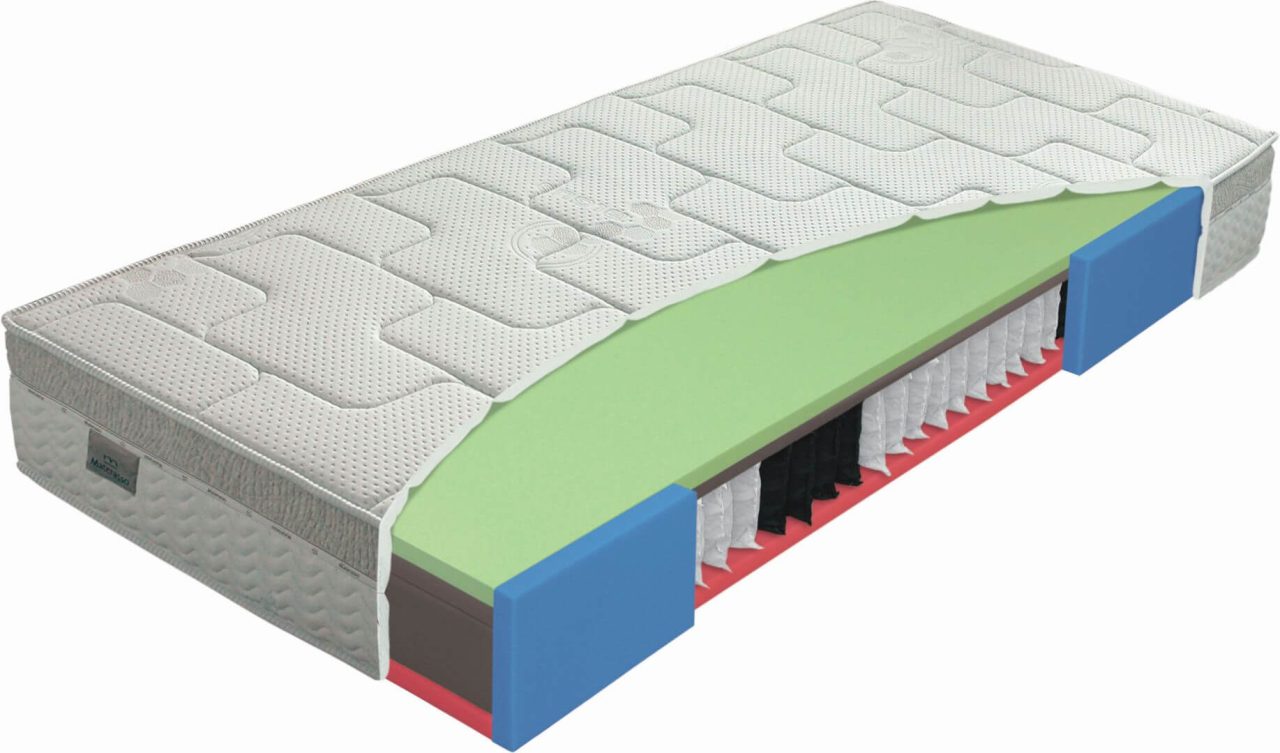
Our company offers a wide selection of quality mattressesMaterasso. Our portfolio includes mattresses for single beds as well as mattresses for couples or partners. . In terms of production material, we offer both foam mattresses and modern pocket mattresses, the core of which consists of springs hidden in separate fabric pockets.
At Materasso we also offer medical mattresses for the elderly, people with higher weight or allergies. With different heights, stiffnesses and technologies, every customer can choose the right one.
Picture: senior mattress with reinforced side.
You can see and try Materasso mattresses at selected retailers all over the Czech Republic. Experts at the stores will help you to choose the most suitable mattress and answer all questions related to the purchase of a mattress.
Abychom poskytli co nejlepší služby, používáme k ukládání a/nebo přístupu k informacím o zařízení, technologie jako jsou soubory cookies. Souhlas s těmito technologiemi nám umožní zpracovávat údaje, jako je chování při procházení nebo jedinečná ID na tomto webu. Nesouhlas nebo odvolání souhlasu může nepříznivě ovlivnit určité vlastnosti a funkce.
Funkční
Always active
Technické uložení nebo přístup je nezbytně nutný pro legitimní účel umožnění použití konkrétní služby, kterou si odběratel nebo uživatel výslovně vyžádal, nebo pouze za účelem provedení přenosu sdělení prostřednictvím sítě elektronických komunikací.
Předvolby
Technické uložení nebo přístup je nezbytný pro legitimní účel ukládání preferencí, které nejsou požadovány odběratelem nebo uživatelem.
Statistiky
Technické uložení nebo přístup, který se používá výhradně pro statistické účely.Technické uložení nebo přístup, který se používá výhradně pro anonymní statistické účely. Bez předvolání, dobrovolného plnění ze strany vašeho Poskytovatele internetových služeb nebo dalších záznamů od třetí strany nelze informace, uložené nebo získané pouze pro tento účel, obvykle použít k vaší identifikaci.
Marketing
Technické uložení nebo přístup je nutný k vytvoření uživatelských profilů za účelem zasílání reklamy nebo sledování uživatele na webových stránkách nebo několika webových stránkách pro podobné marketingové účely.