Do you wake up in the morning all broken and unrested? This may be a sign of the increased physical activity you did the day before. It could also be the result of more stress you’re under. But did you know that a bad mattress could also be to blame? How do you know if your current mattress is not working for you?
Poor quality sleep and a sore back? Unsuitable mattress may be the cause
Many people live in a delusion and think they are gettinga mattressfor life. But the life of a mattress is limited. Although the manufacturer guarantees a 10 or 20 year warranty, after about 8 years you should replace your mattress with a new one. It doesn’t have to be significantly worn out, but the foam loses its orthopaedic properties over time, and moisture from sweat is also to blame. In addition, it is recommended to replace the mattress after 8 years for hygiene reasons.
We sweat out between 0.5-1 litres every night, some of which evaporates and some of which soaks into the mattress. Particles of dust, dirt, hair and skin also stick to the mattress. Together, they create an ideal environment for mould and bacteria to grow, which can cause respiratory diseases. Even if you take good care of your mattress (turning it, airing it, vacuuming it), after about eight years it’s time to replace it.
How do I know if my mattress is not “lying”?
An unsuitable mattress can cause a number of health complications. People usually deal with headaches and back pain with pain killers. They can get rid of the complications with the right bed. Not only the mattress is important, but also the pillow.
Doctors themselves confirm that the wrong choice of mattress and pillow plays a significant role in the development of problems with the support apparatus. High-quality products can be a great prevention against pain:
Title,
of the cervical spine,
loins,
discs,
hips, etc.
If you suffer from headaches, it is advisable not to have a high pillow under your head and not to sleep on low-quality foams or mattresses that are too thin. This is because the sleeper is in an unnatural position for a long time, which will result in pain. A mattress that is too thin cannot provide the sleeper with sufficient support for the spine and joints.
Other complications associated with an unsuitable mattress include poor spinal curvature in sleep, which causes blockages, nerve oppression, insomnia or depression.
Image: an unsuitable mattress can give you back pain.
Complications associated with poor quality sleep
If you downplay poor quality sleep for a long time, unpleasant complications can arise.
Inattention – lack of rest makes you unfocused and unable to do more than one thing at a time.
Lack of creativity – you lack fresh ideas, are unable to improvise and solve problems effectively.
Complications with the heart – during REM sleep stages, blood pressure is reduced. If these phases are disturbed, there is no reduction in pressure, which can manifest itself in cardiac complications.
Stress – during sleep, hormones are released that reduce stress. However, if the sleep is of poor quality, you live in permanent stress, which leads to dangerously high blood pressure.
Getting fat – with poor sleep, metabolism slows down. There is no effective fat burning, which results in weight gain.
How do you know when a mattress has had it?
Aside from the fact that your whole body may ache in the morning or you may feel unrested, there are other signs that tell you it’s time to look for a new product.
Depressions – the mattress has depressions in the areas that are exposed to the most stress (typically the hips and shoulders).
Odour – if there is an unpleasant smell wafting from your mattress, there is no need to wait for a replacement.
How to choose a suitable mattress?
One of the big myths is that a hard mattress is the healthiest. But it’s not. Each person has different sleep requirements. Every body reacts differently to the firmness of a mattress. If you reach for a mattress that’s too hard, you’ll experience unhealthy counterpressures on your hip joint or shoulders, for example. You need to choose the firmness based on your comfort, weight and sleeping position.
Image: Choose a new mattress with the grid in mind.
What parameters to follow when choosing a mattress?
Length – the mattress should exceed your height by 20-25 cm.
Height – the higher the mattress, the better you’ll sleep on it. In addition, higher mattresses are easier to lie down on and easier to get up from. The optimal height is between 17 and 22 cm.
Load capacity – don’t underestimate your weight when choosing a mattress. The load capacity of the mattress should be at least 10-20% more than your weight. This will ensure that the mattress won’t just fall over.
Hardness – choose according to age, sleep position, weight, but also health problems. A very soft mattress is suitable for side sleepers weighing up to 70 kg. A soft mattress can be used by people who change sleeping positions and sleep on their side and weigh between 70 and 100 kg. The firm mattress is for sleepers up to 120 kg who change positions and sleep on their stomachs. Very hard is for people sleeping on their backs and weighing up to 150 kg.
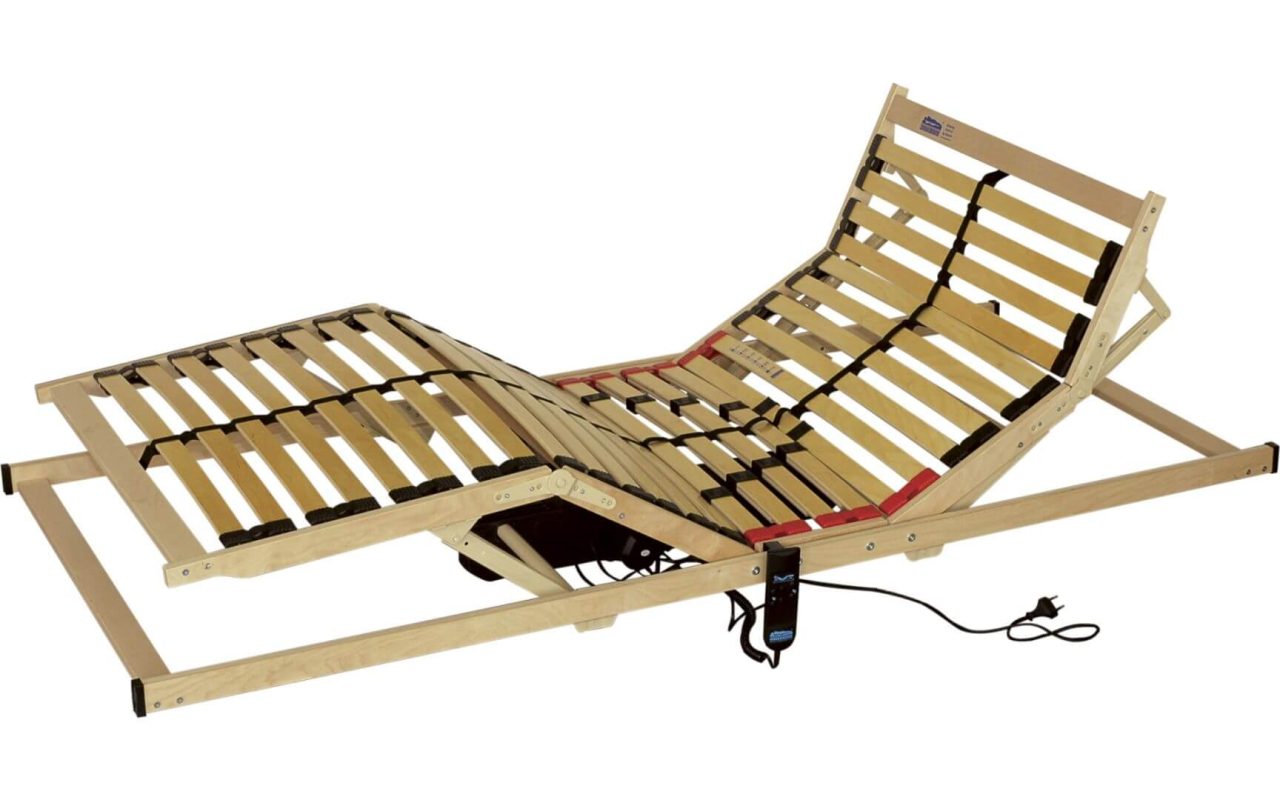
Fixed grid – for spring mattresses and foam mattresses with air channels.
Flexible slatted grid – for foam and latex mattresses or mattresses with coconut board.
Positioning grids – for latex mattresses or mattresses made of lazy, cold and other elastic foams.
The unique X-SENSOR measuring blanket can help you choose the right mattress. It includes pressure sensors that map the pressure your body exerts on the mattress to help determine which mattress is best for you.
Don’t underestimate the quality of the mattress. Sleep on one that makes you feel refreshed and rested in the morning.
Abychom poskytli co nejlepší služby, používáme k ukládání a/nebo přístupu k informacím o zařízení, technologie jako jsou soubory cookies. Souhlas s těmito technologiemi nám umožní zpracovávat údaje, jako je chování při procházení nebo jedinečná ID na tomto webu. Nesouhlas nebo odvolání souhlasu může nepříznivě ovlivnit určité vlastnosti a funkce.
Funkční
Always active
Technické uložení nebo přístup je nezbytně nutný pro legitimní účel umožnění použití konkrétní služby, kterou si odběratel nebo uživatel výslovně vyžádal, nebo pouze za účelem provedení přenosu sdělení prostřednictvím sítě elektronických komunikací.
Předvolby
Technické uložení nebo přístup je nezbytný pro legitimní účel ukládání preferencí, které nejsou požadovány odběratelem nebo uživatelem.
Statistiky
Technické uložení nebo přístup, který se používá výhradně pro statistické účely.Technické uložení nebo přístup, který se používá výhradně pro anonymní statistické účely. Bez předvolání, dobrovolného plnění ze strany vašeho Poskytovatele internetových služeb nebo dalších záznamů od třetí strany nelze informace, uložené nebo získané pouze pro tento účel, obvykle použít k vaší identifikaci.
Marketing
Technické uložení nebo přístup je nutný k vytvoření uživatelských profilů za účelem zasílání reklamy nebo sledování uživatele na webových stránkách nebo několika webových stránkách pro podobné marketingové účely.