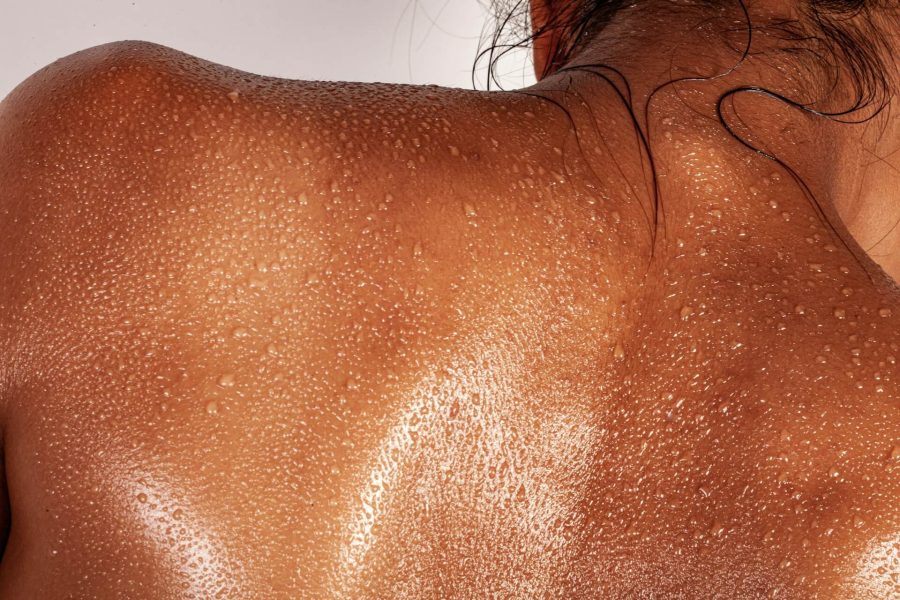
Night sweats are a normal phenomenon. But if you wake up with wet pyjamas, an unpleasant smell of sweat, damp hair, sweaty pillows and sheets, you need to start addressing the situation. Why does night sweats occur? How do you know the line between tolerable levels and excessive night sweats? We will reveal in the article.
If you’re asking yourself “why do I sweat at night?”, it could be due to common factors (bedroom temperature, inappropriate sleepwear) or more serious causes of night sweats. Often people also experience night sweats on the chest or around the neck. It is therefore a good idea to look at whether the sweating is occasional and mild during sleep, or whether it is severe night sweats that may indicate, for example, illness or other health complications.
Sweating as a natural process of the human body
Sweating is natural and healthy. It helps maintain a stable body temperature, protects the body from overheating and removes waste substances from the body. Professionally, sweating is called hydrosis. Everyone in the world sweats, but each person sweats a little differently. Sweating is influenced by:
age,
sex,
the activity you are engaged in,
diet,
lifestyle.
Did you know that men sweat twice as much as women? Sweating decreases with age in both sexes. Sweating occurs most often for the following reasons:
Thermoregulatory sweating – this is the classic sweating that cools the body and organs. It usually occurs during physical exertion and at high temperatures. Thermoregulatory sweating does not appear immediately. Sweat appears after a certain period of time.
Emotional sweating – night sweats are the result of fear, stress, but also joy. If the sweating is of emotional origin, it appears most often in the armpits and on the palms of the hands. You sweat within seconds. This type of sweat usually contains more substances that break down bacteria and so may have a stronger smell.
How much does a man sweat per night?
On average, this is usually 1 to 1.5 litres of sweat. If your pyjamas or sheets are just a little damp in the morning, this is a natural process. However, if you wake up every morning literally drenched in sweat (morning sweat), and if you continue to sweat without temperature throughout the day, you may have excessive sweating (hyperhidrosis).
Excessive sweating in sleep
It is normal to sweat not only during the day but also at night. You wake up in the morning and notice at most slightly damp pyjamas, maybe an unpleasant smell.
When is it hyperhidrosis?
If you wake up literally drenched in sweat that soaks not only your pajamas but also your bedding and sheets, you may be suffering from hyperhidrosis, or excessive sweating. This condition often manifests itself as heavy night sweats on the chestor breasts, and often extends to the area around the neck. Excessive sweating is hereditary and appears as early as puberty.
People who suffer from hyperhidrosis sweat up to 5 times more compared to those who sweat “normally”. This heavy sweating in sleep does not avoid children, men or women. They agree on night sweats around the neck, head sweating in sleep, sweating on the chest and generally on the whole body.
Surgical and non-surgical interventions against excessive sweating
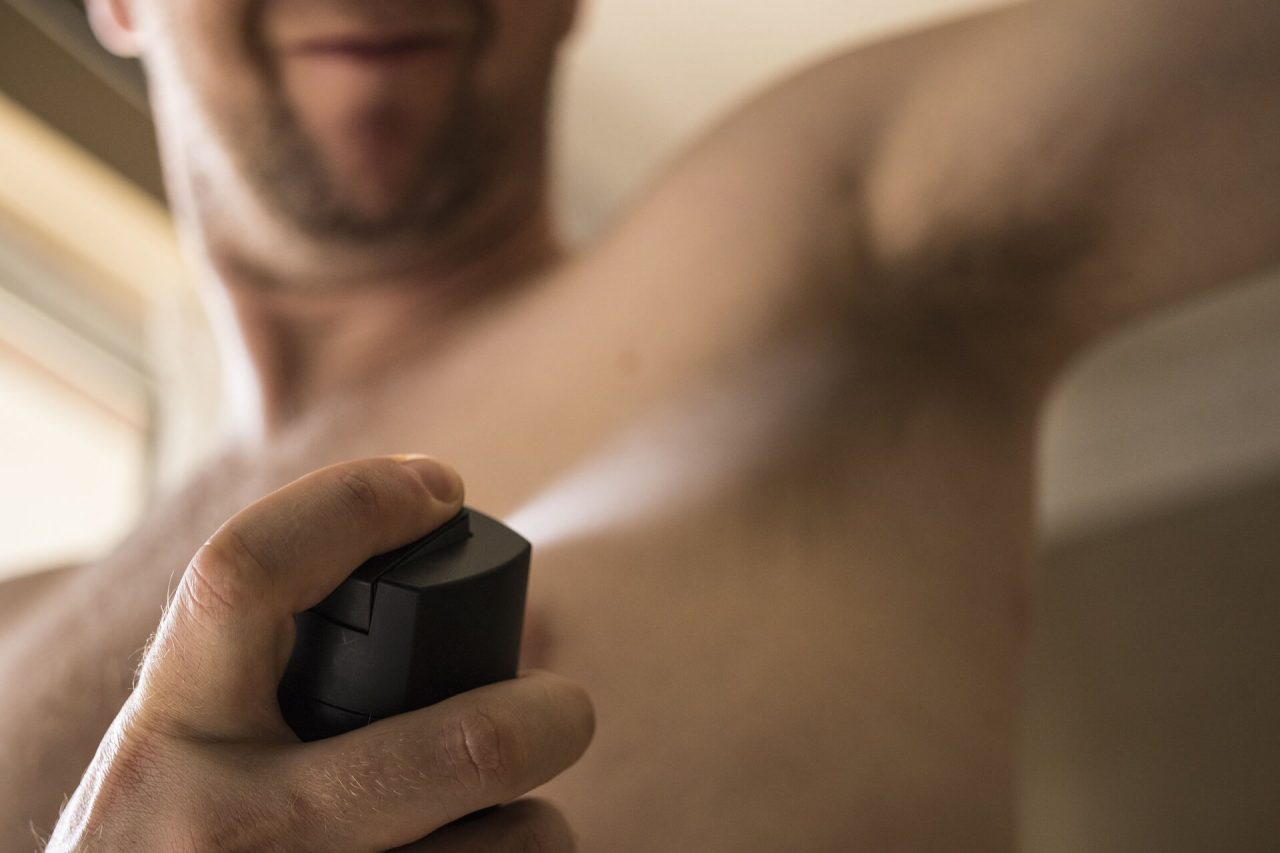
Unfortunately, there is no effective treatment for excessive sweating in sleep. But you can relieve it with surgical and non-surgical interventions. Non-surgical treatments include the use of antiperspirants containing aluminium salts. The salts partially close the sweat duct, reducing the amount of sweat that is secreted.
If you opt for surgery, 60 to 90% of the sweat glands are removed by laser. The second option is the application of botulinum toxin, which prevents the transfer of excitement from the nerve fibres to the sweat glands. The effectiveness of the second method is 6 to 12 months, after which it must be repeated.
Night sweats and insomnia is an unpleasant vicious circle
Night sweats and insomnia often build on each other. Heavy night sweats can interrupt deep sleep, leading to frequent waking. Long-term lack of quality sleep causes fatigue, irritability and other mental and physical health problems. If you experience a combination of insomnia and heavy night sweats, you should definitely consider consulting a doctor.
Image: antiperspirants can help with excessive sweating.
Sweating in sleep due to health reasons
Excessive night sweats can be related to illness and general health conditions. Therefore, the causes of night sweats can be more serious.
Hormonal changes
They concern mainly women. Night sweats in women can be a reflection of menopause, but also adolescence, menstruation, pregnancy and the postpartum period. All these life stages are associated with hormonal changes. In addition, excessive night sweats can be caused by the use of contraceptives. During menopause, which affects women aged 45+, there is a drop in the level of female sex hormones, which manifests itself in hot flashes not only at night but also during the day.
Medications taken
Excessive night sweats during sleep can also be triggered by medications. If the problem occurs some time after you have started taking a new medication, check the package leaflet to see if it mentions the possibility of increased sweating. Both prescription and over-the-counter medicines can cause night sweats (e.g. headache or back pain medicines). The most common causes of night sweats are antidepressants, fever and pain killers, diabetes medications, antibiotics and drugs containing hormones (hormonal contraceptives, corticosteroids, etc.).
Narcotic substances
If a person is addicted to alcohol or drugs, he or she may also experience excessive night sweats that these substances trigger. In addition, sleep disturbances may occur.
Mental problems
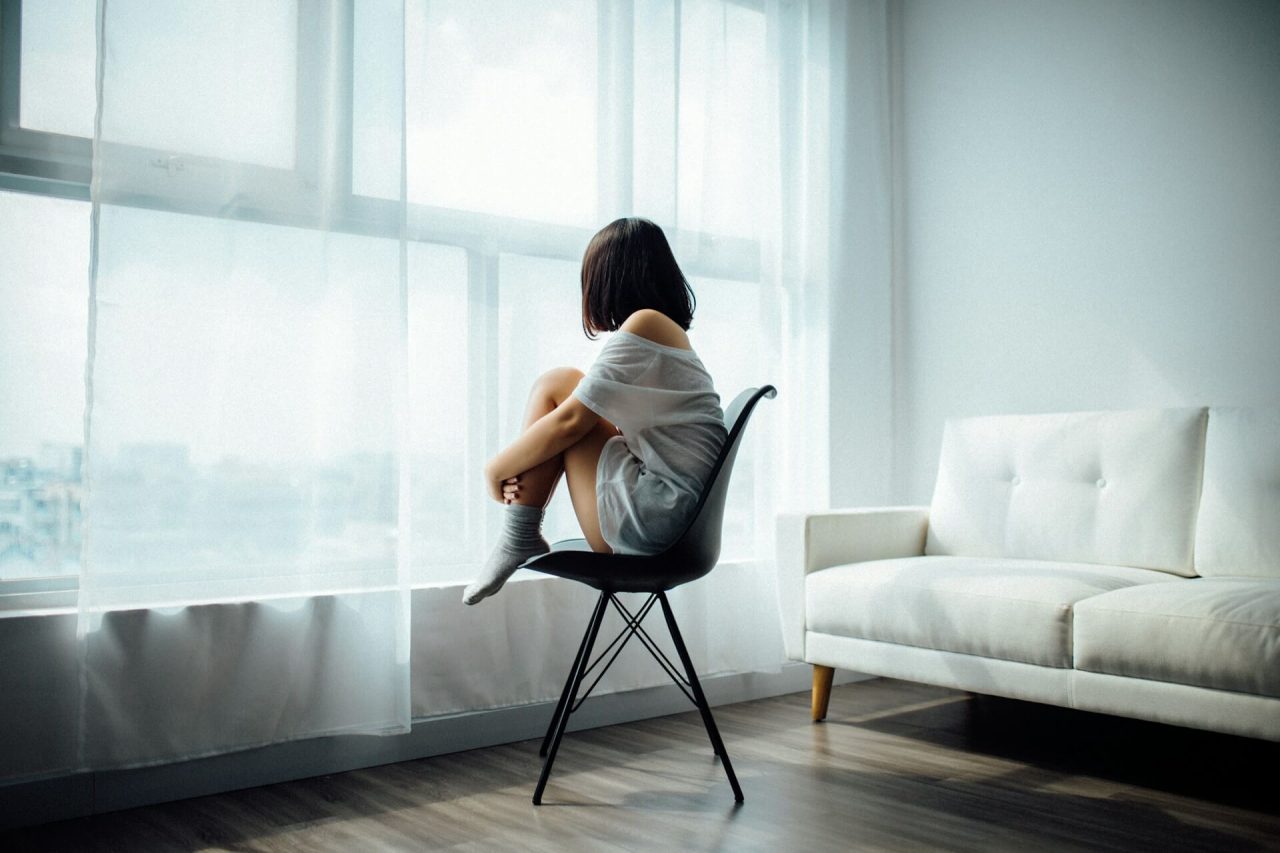
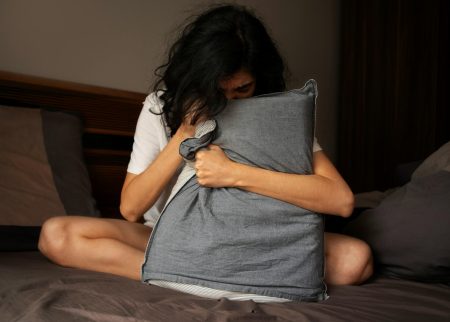
Night sweats are most likely to attack you if you are under stress for a long time. Stress leads to the release of more adrenaline, which stimulates the sweat glands. When a child sweats, it can also be due to psychological overload, which manifests itself in nightmares and bad dreams. These can cause sweating in sleep.
Image: Night sweats can be a reflection of stress
Diseases
Sweating during illness can occur both suddenly and for a long time. Excessive night sweats can be a sign of infection. If the temperature exceeds 38 °C, do not delay seeing a doctor. In addition, night sweats can be a symptom of:
diabetes (night sweats are especially noticeable around the neck),
sleep apnoea (a person stops breathing for a while, which puts their body under stress and they start sweating more),
cancer of the lymphatic system,
malignant and benign tumors,
thyroid disease,
heartburn.
If you suffer from sweating in your sleep combined with other symptoms (cough, fatigue, weight loss, chest pain), be sure to see a doctor.
Who sweats the most at night and why?
Night sweats can affect literally anyone – from young children falling asleep after a day of exercise, to women going through a hormonal storm, to men in the midst of a demanding work schedule. Not only hormones and age, but also lifestyle and stress have an impact. Let’s take a look at the most common reasons for sweating in each group and how to combat excessive sweating.
Sweating in children
Excessive sweating in children doesn’t have to mean a serious problem right away. When a child sweats it may just be because he has a higher need for exercise and often falls asleep after intense activity. Too warm a duvet, high bedroom temperature or stress (bad dreams, changes in routine) can result in heavy night sweats.
It will help to adjust the environment, make sure the room is at a suitable temperature (ideally 18°C) and ensure sufficient air circulation. However, if sweating in children is increasing, preventing restful sleep or accompanied by other symptoms (weight loss, fatigue, pain), a paediatrician should be consulted.
Sweating in women
The female body undergoes a number of hormonal changes during life that can strongly influence thermoregulation. Night sweats in women often occur during menopause, when estrogen levels fluctuate and many women experience hot flashes and sweating on the breasts, under the arms or around the neck. Similar problems can occur during pregnancy and after childbirth, when hormones gradually return to normal. If excessive sweating interferes with your daily life, it is advisable to talk to your gynaecologist about your problems.
Sweating in men
While women may experience heavy night sweats mainly due to hormonal fluctuations, men are often caused by stress, increased physical exertion or lack of recovery. Men generally sweat more profusely and night sweats in men can be compounded by higher caffeine and alcohol consumption or an inappropriate lifestyle.
If insomnia is also associated or you wake up repeatedly in sweat, you should consider a medical examination to rule out, for example, metabolic disorders (diabetes), thyroid disease or other health complications.
Night sweats are also related to lifestyle and bedroom furnishings
Excessive night sweats may not always have serious causes that need the intervention of a specialist. The causes of night sweats can also be due to bad habits.
Think about how you live
If you feel good, it means you are mentally and physically well. Excessive sweating can be a reflection of being overweight, but also, for example, of drinking caffeinated beverages before going to bed, which stimulate the sweat glands. Night sweats can also be triggered by excessive physical activity before bedtime or eating spicy and fried foods.
The environment in which you sleep
Sweating can be triggered by high room temperature, but also by unsuitable bedding and blanket materials. You should keep the temperature in your bedroom below 18 °C. Always ventilate well before going to bed. Do not wrap duvets and pillows in synthetic or warm materials. Avoid microfleece, flannel and polyester. Reach for cotton, bamboo, silk or cotton sateen instead.
Sleep on a breathable mattress
You may be sweating excessively at night because you sleep on the wrong mattress and have the wrong mattress in your bed. People who sweat excessively at night should not sleep on a slab mattress that does not allow the mattress to breathe. It doesn’t let enough air in. It also doesn’t wick away moisture, which can cause mould to grow in the mattress over time. Therefore, you should put a slatted, but ideally slatted, grid in your bed.
Which mattresses are best for when you sweat? Foam mattresses with an open cell structure or sandwich mattresses that combine foam and springs. Read more about the materials used to make mattresses.
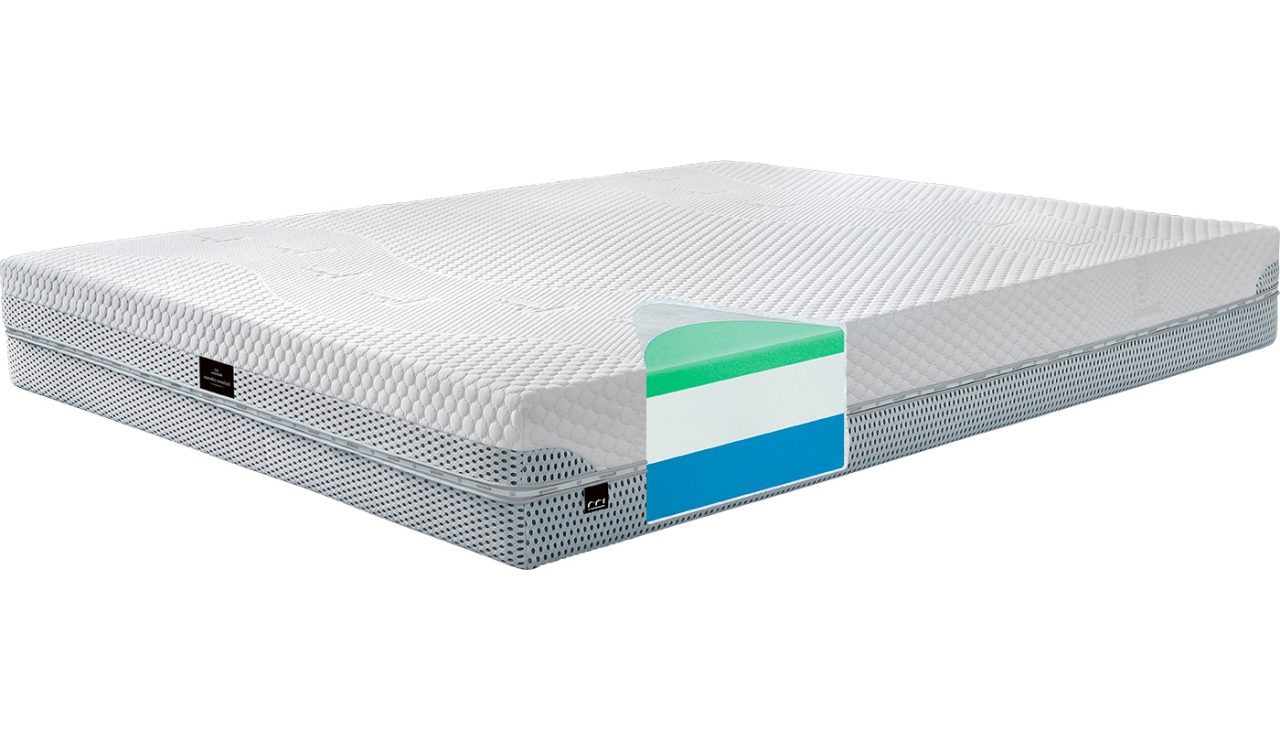
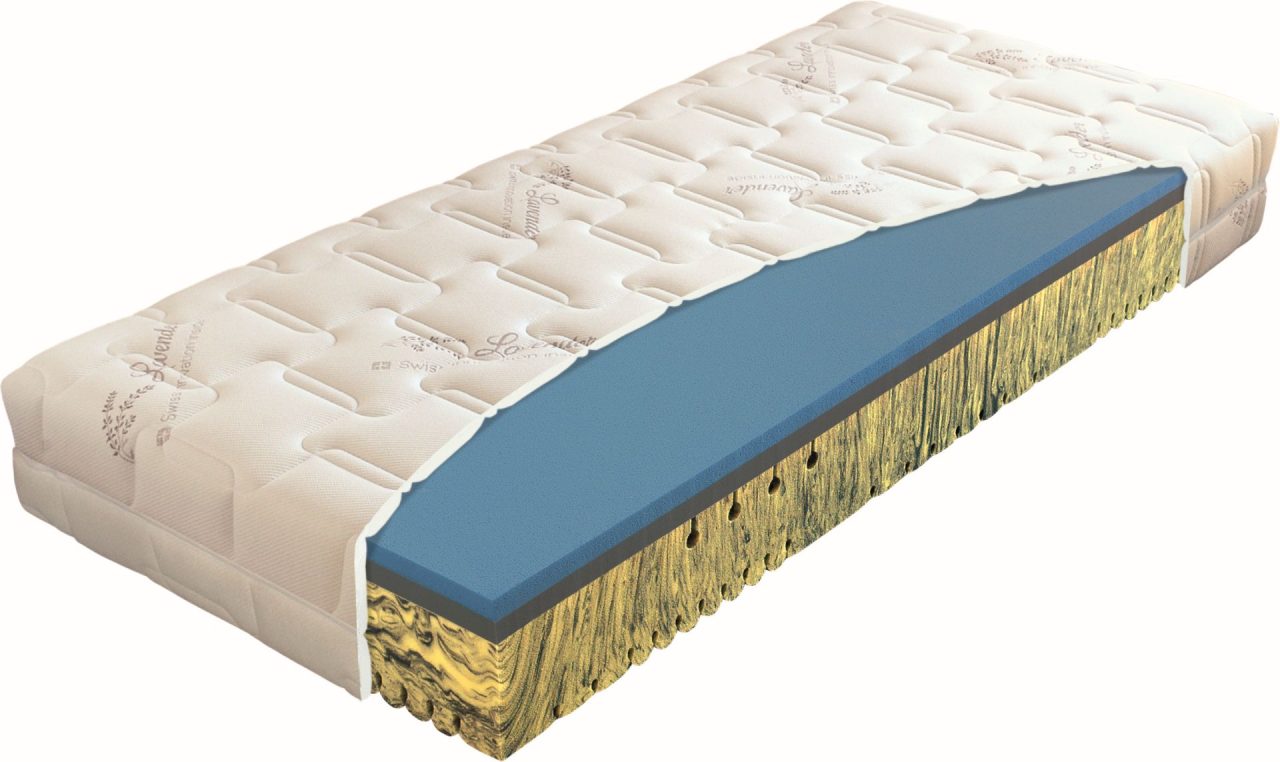
For excessive sweating, we recommend the Magnifico polargel mattress, which is a sandwich mattress whose top layer consists of airy Greengel foam, ensuring pleasant freshness and eliminating sweating.
Image: Greengel air foam mattress.
The Herbal Visco mattress is made of modern memory foam, which is characterised by its airy cell structure. There is also cold HR foam, which boasts sufficient breathability. So you don’t have to worry about overheating and sweating on this mattress.
Image: Mattress made of modern breathable memory foam.
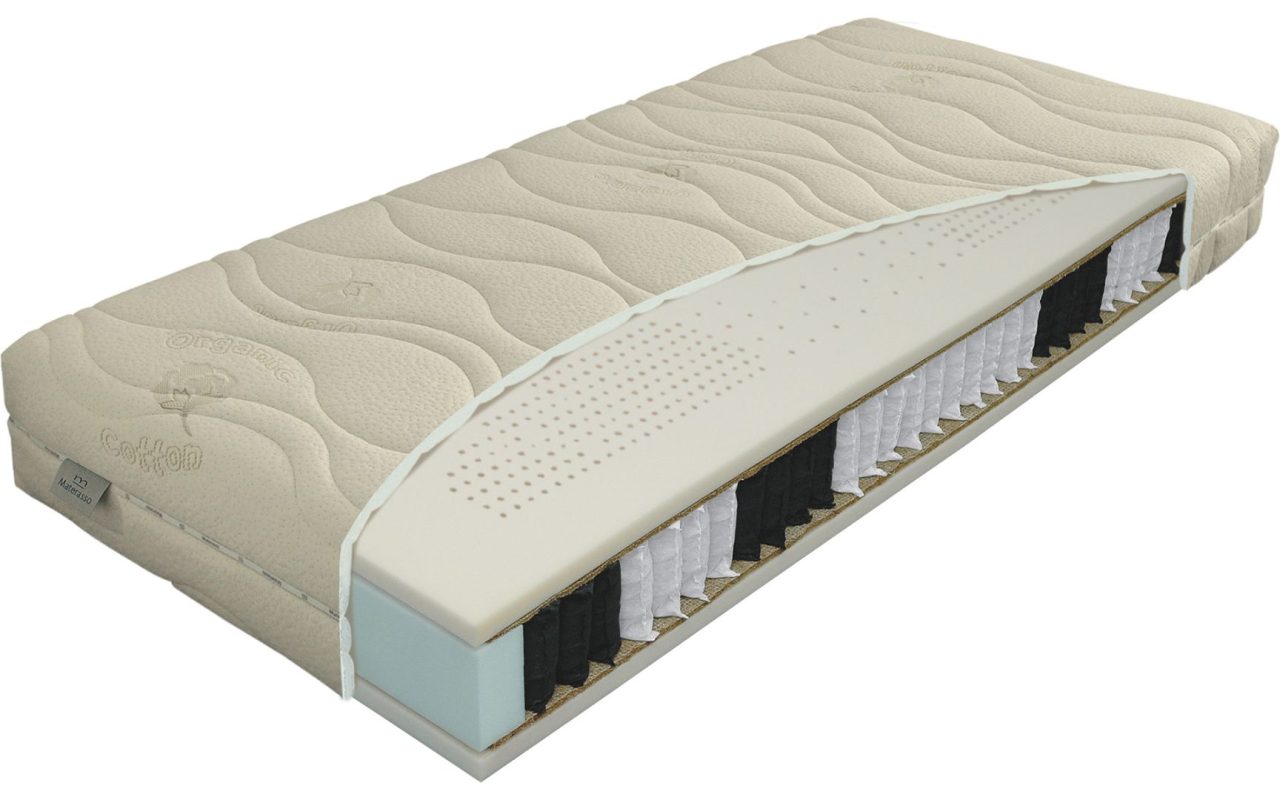
The NATURA hydrolatex mattress combines perforated hydrolatex foam with pocket springs. This combination is optimal for people with excessive sweating.
Image: Mattress combining pocket springs and perforated hydrolatex foam.
Hygiene habits if you sweat a lot
If you are sweating excessively, make sure you change your bed linen every 3 days. Wash more often and dry your skin properly. Remember to use deodorants that reduce odour or antiperspirants that reduce sweat production.
It’s also worth investing in mattress protectors. The mattress should have a protective cover and topper. A topper is a thin mattress with its own cover that is easy to take off and wash in the washing machine. With a cover and topper you increase the hygiene of the bed. You not only protect it from sweat, but also from dust, hair and microscopic pieces of skin. All this dirt creates a breeding ground for microbes.
Do you suffer from excessive sweating in your sleep? First, try adjusting your lifestyle and sleeping environment. Not only a good lifestyle, but also a suitable room temperature and an appropriate mattress can help. If this doesn’t fix your problems, it’s time to seek professional help.
Abychom poskytli co nejlepší služby, používáme k ukládání a/nebo přístupu k informacím o zařízení, technologie jako jsou soubory cookies. Souhlas s těmito technologiemi nám umožní zpracovávat údaje, jako je chování při procházení nebo jedinečná ID na tomto webu. Nesouhlas nebo odvolání souhlasu může nepříznivě ovlivnit určité vlastnosti a funkce.
Funkční
Always active
Technické uložení nebo přístup je nezbytně nutný pro legitimní účel umožnění použití konkrétní služby, kterou si odběratel nebo uživatel výslovně vyžádal, nebo pouze za účelem provedení přenosu sdělení prostřednictvím sítě elektronických komunikací.
Předvolby
Technické uložení nebo přístup je nezbytný pro legitimní účel ukládání preferencí, které nejsou požadovány odběratelem nebo uživatelem.
Statistiky
Technické uložení nebo přístup, který se používá výhradně pro statistické účely.Technické uložení nebo přístup, který se používá výhradně pro anonymní statistické účely. Bez předvolání, dobrovolného plnění ze strany vašeho Poskytovatele internetových služeb nebo dalších záznamů od třetí strany nelze informace, uložené nebo získané pouze pro tento účel, obvykle použít k vaší identifikaci.
Marketing
Technické uložení nebo přístup je nutný k vytvoření uživatelských profilů za účelem zasílání reklamy nebo sledování uživatele na webových stránkách nebo několika webových stránkách pro podobné marketingové účely.