“Should I put a TV in my bedroom?” A question that divides people into two camps. While one wouldn’t go a day without a TV in the bedroom, the other talks about the effect of blue light on the quality of sleep. What do you need to know before deciding whether to equip your bedroom with a TV?
The bedroom is a place for relaxation
What is the difference between a bedroom and a living room? The living room is a room designed for gathering and entertaining. The bedroom is a private, intimate space that makes you feel relaxed and safe. It’s where you’re supposed to relax, calm down and unwind. And you certainly can’t do that with the blue light that the TV screen emits.
Are there reasons to have a TV in the bedroom?
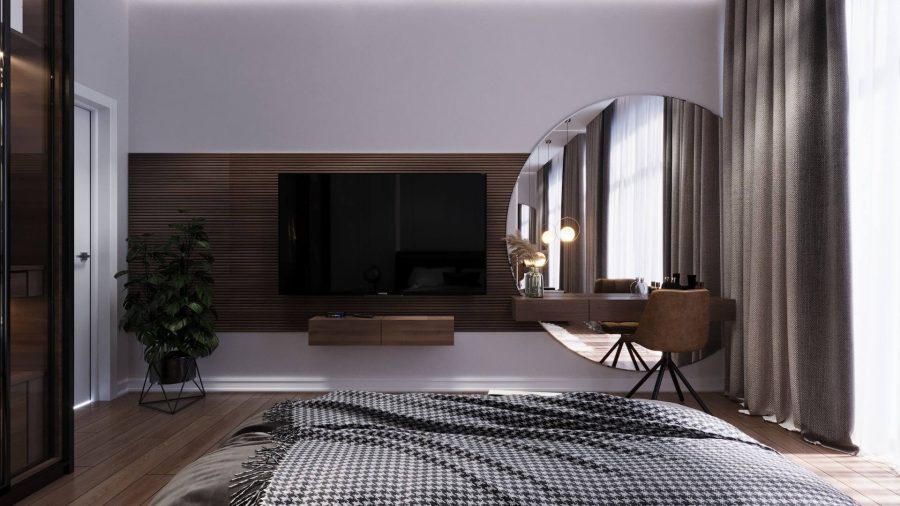
If you think long and hard, you’ll come up with a few reasons why it’s a good idea to have a TV in your bedroom. One of them is convenience. It’s much nicer to watch your favourite show from a soft, heated bed than from the living room couch. Plus, if you fall asleep while watching TV from bed, you don’t have to move from the living room to the bedroom.
Thanks to the TV, you can conjure up an original atmosphere in the bedroom. Watch the fire crackling in the fireplace, the babbling of a brook, the sound of the sea or birds chirping in the woods. These programmes are perfect for setting the mood. While there are a few advantages to having a TV in your bedroom, there are also a number of disadvantages. And there are many more.
8 reasons why a TV in the bedroom is not recommended
The TV is a distraction that does more harm than good in the bedroom. What are the main drawbacks of having a TV in a room where you’re supposed to be relaxing?
1. Blue light and its effect on sleep
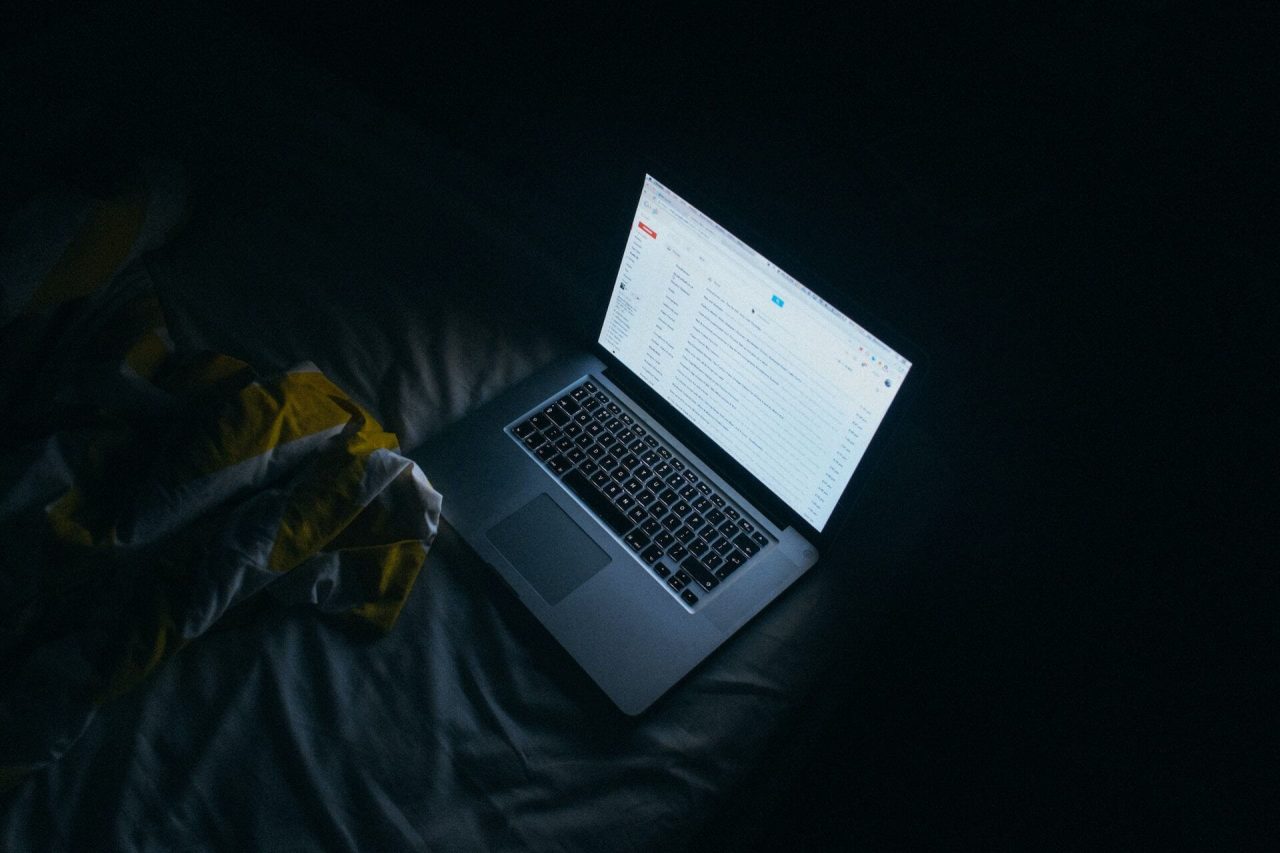
The TV itself as a device does not affect your sleep. It is affected by the blue light emitted by the TV screen. Especially in the evening , blue light suppresses melatonin production. This is the hormone that tells our body that it feels tired and should go to sleep.
When you expose yourself to blue light from tablet, mobile and TV screens in the evening, signals are sent to your brain telling it that it’s still daytime. Melanopsin, a photopigment that tells your body to stop producing melatonin, is still working in your brain.
This disrupts the natural circadian rhythm, or internal clock, which is governed by the alternation of day and night. This can result in sleep disturbances, immunity problems and susceptibility to more frequent inflammation in the body.
Although you can filter out blue light with special blue light glasses, you should not look at light screens for at least 90 minutes before going to bed.
Image: Blue light disturbs sleep.
2. Television does not give room for communication between partners
Not only couple therapists know that communication between partners is crucial. If you watch TV before bed, you don’t feel like talking to your partner or family. You’d rather indulge in a stream of programming. But remember that during the day you are usually so busy that you don’t have time for pleasant conversation.
Therefore, in the evening you should rather spend time talking with your partner, friends or family. Ask how their day was, what went well or what’s coming up tomorrow. Talk about anything that comes to mind. Show interest in your surroundings. It will bring you far more than mindlessly watching TV.
3. Less of a love adventure
The bedroom is a place in which you not only have to relax, but also share it with your partner. The television is a distraction that can take away from the need to be close to your partner. The intimacy can start to fade gradually, which is not good for the relationship at all.
4. No time to recap the day
Television fills you with information pouring out of every channel. It doesn’t matter if it’s commercials, a documentary series, an educational show or a feature film. Your brain is in a constant state of flux. It’s always receiving and processing new information.
Did you know that what you think about before going to bed affects to some extent how you feel the next day? Before falling asleep, you should take stock of how your day went. Write in your diary what you must not forget the following day.
Take time to meditate and reflect on what you have done well today and what you are grateful for. If you watch TV instead, you will miss out on this precious reflection.
Image: meditate before going to bed.
5. Little time for reading
Many people don’t have time to read their favourite book or magazine because of watching TV. Reading is an activity that is recommended before going to bed. It is not passive, but an active absorption of information, which also involves your imagination. The advantage is that you don’t strain your eyes as you do when watching TV or other screens.
6. Increase in electromagnetic smog
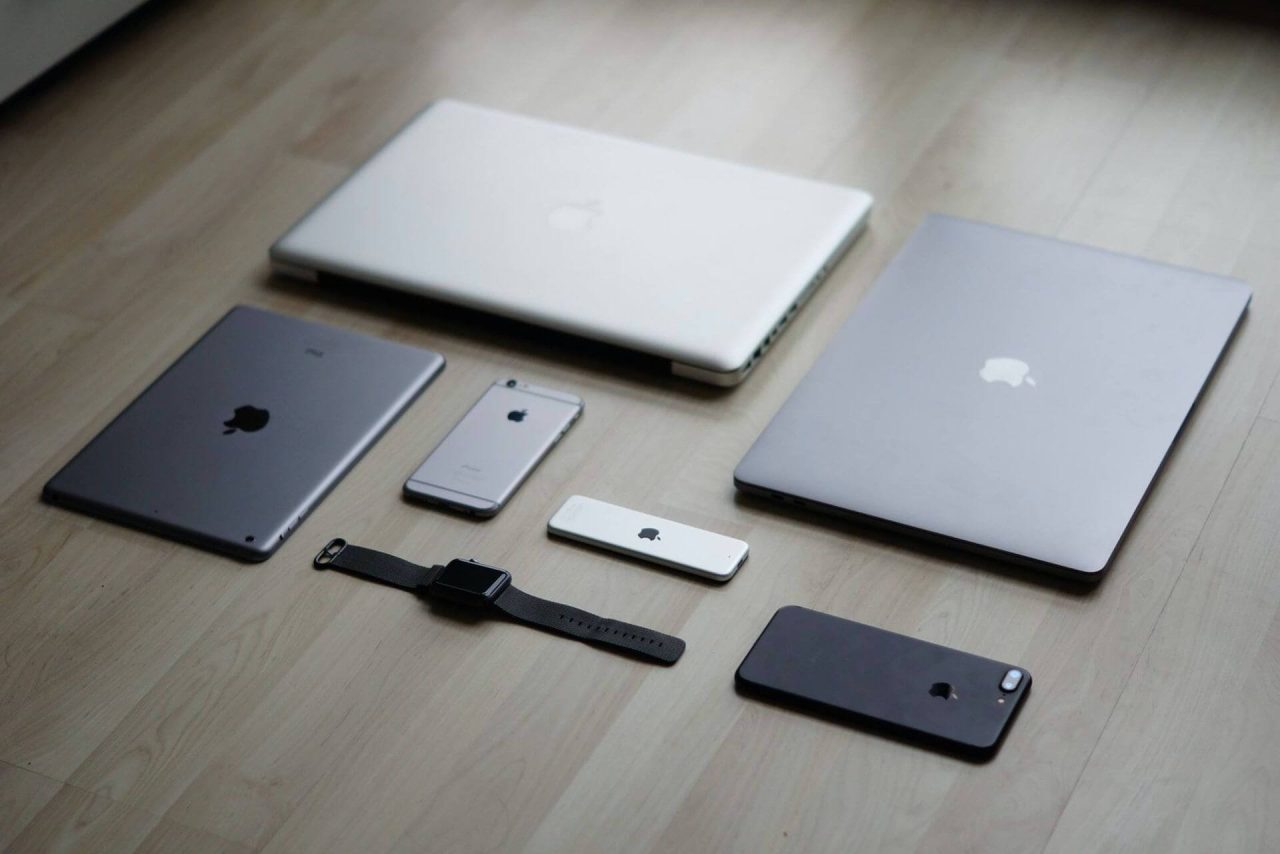
All electronics emit electromagnetic smog, even when switched off. All you have to do is plug it in and the electromagnetic smog is with you. For sensitive individuals, this smog can cause:
headaches,
migraines,
sleep disorders,
psychological discomfort,
heart and nerve problems.
It is therefore recommended to keep electronics to a minimum in the bedroom and to unplug them at night.
Image: electronics create electromagnetic smog.
7. Higher electricity consumption
Watching TV will be reflected in your electricity bill. Did you know that the bigger the screen, the more it “eats”? With rising electricity prices, it pays to talk or read before bed. After all, these activities are also good for your mental well-being.
8. Watching TV spoils your eyes
In the evening, TV is usually watched in the dark. And it’s the contrast between the darkness of the room and the bright screen that’s bad for your eyes. This kind of viewing leads to tired eyes, but also to headaches or migraines.
Sleep quality is affected not only by the blue light, but also by the mattress and grid
Did you know that even if you get a good night’s sleep watching TV, you don’t get the same quality of sleep you get in silence? Because your mind and body can’t get enough rest. After all, one of the rules of sleep hygiene says that you should sleep in maximum darkness and silence.
If you don’t have a TV in your bedroom and you’re still not getting a good night’s sleep, the fault may lie with a bad mattress or the overall design of your bedroom.
you wake up unrefreshed in the morning because you have to keep rolling over and changing sleeping positions at night,
the mattress is worn through,
with a spring mattress, the springs push and squeak you,
the mattress has a torn cover and you can feel the indentations when you touch it.
Sleeping on a poor quality mattress can cause headaches, neck pain, hip pain, disc pain, etc.
Image: Sleep is affected by the quality of the mattress and mattress topper.
Choose a new mattress and matching grid
If you want to enjoy the best quality sleep, treat yourself to a new bed with the perfect mattress and matching mattress topper. This is because the mattress grid helps to distribute the pressure you put on the mattress when you sleep. What factors to look for when choosing a mattress and a mattress topper?
When choosing a mattress, focus on:
Length – it should be 25 cm longer than your height.
Mattress height – mattresses with a height of 20 cm or more offer the most comfortable sleep.
Load capacity – look for a mattress that has a load capacity of about 5 kg more than your weight.
Production materials – choose according to sleep requirements and health problems.
When choosing a grate, think about whether you want a non-reclining or a reclining model. Reclining mattresses are only suitable for foam mattresses. They are not suitable for spring mattresses. These mattresses allow positioning in the head and lower limbs. The positioning can be manual or electric.
What parameters to look for when choosing a grate?
Load capacity – the load capacity of the grate should be 10 kg more than your weight.
Positioning – decide whether you want a non-positioning or a positioning model.
Design – you can choose either slatted or slatted grates. Slatted mattresses are more suitable for higher and spring mattresses as these mattresses are not flexible. Slatted mattresses are springy, so you can put a thinner mattress on top of them.
Thoughtful bedroom design
In order to feel as comfortable as possible in your bedroom, you should work moderately with the furniture and colour scheme. The bedroom is best suited for:
Blue,
Green,
light pink,
white,
beige,
grey.
Inappropriate colours include:
red,
dark purple,
dark brown,
Black,
Orange.
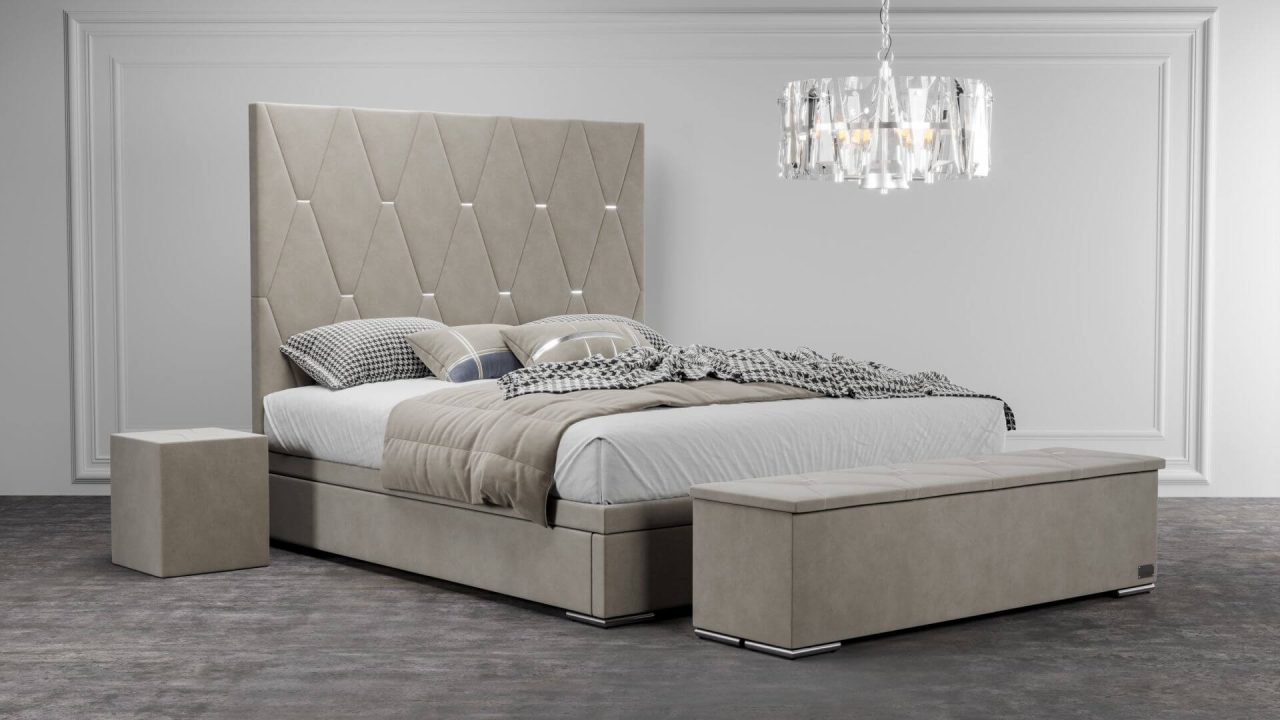
The dominant furniture is always the bed. The most comfortable rest and the most luxurious look are offered by high upholstered beds with headboards. When furnishing, remember to keep airiness in mind. The bedroom should feel free and not cramped.
Sleep in a bedroom that is harmonious, without electromagnetic smog and without unnecessary blue light.
Abychom poskytli co nejlepší služby, používáme k ukládání a/nebo přístupu k informacím o zařízení, technologie jako jsou soubory cookies. Souhlas s těmito technologiemi nám umožní zpracovávat údaje, jako je chování při procházení nebo jedinečná ID na tomto webu. Nesouhlas nebo odvolání souhlasu může nepříznivě ovlivnit určité vlastnosti a funkce.
Funkční
Always active
Technické uložení nebo přístup je nezbytně nutný pro legitimní účel umožnění použití konkrétní služby, kterou si odběratel nebo uživatel výslovně vyžádal, nebo pouze za účelem provedení přenosu sdělení prostřednictvím sítě elektronických komunikací.
Předvolby
Technické uložení nebo přístup je nezbytný pro legitimní účel ukládání preferencí, které nejsou požadovány odběratelem nebo uživatelem.
Statistiky
Technické uložení nebo přístup, který se používá výhradně pro statistické účely.Technické uložení nebo přístup, který se používá výhradně pro anonymní statistické účely. Bez předvolání, dobrovolného plnění ze strany vašeho Poskytovatele internetových služeb nebo dalších záznamů od třetí strany nelze informace, uložené nebo získané pouze pro tento účel, obvykle použít k vaší identifikaci.
Marketing
Technické uložení nebo přístup je nutný k vytvoření uživatelských profilů za účelem zasílání reklamy nebo sledování uživatele na webových stránkách nebo několika webových stránkách pro podobné marketingové účely.