Did you know that sleep continuity is more important than the number of hours you sleep? If you sleep the required number of hours but wake up several times, you will not be well rested in the morning. Interrupted sleep can be a reflection of some of your organs not working properly. Stress or suppressed emotions may also be to blame.
Sleep is important for health and mental well-being
Did you know that when you sleep, your body doesn’t sleep? It is very busy because it has to regenerate your brain, your muscles, reduce hormones, etc. Sleep is a prevention of a number of diseases, for example:
high blood pressure,
obesity,
depression,
infectious diseases.
In addition, during it, the brain is “cleansed” of toxins that damage it. Quality sleepsupports memory and improves your immune system. It affects the heart, the circulatory system and hormone production. If you sleep well, you are in a good mood.
How does lack of sleep affect your body?
Lack of sleep or poor sleep quality will affect your ability to concentrate, your cognitive function, your mood and your overall mental and physical well-being. What other inconveniences does it bring with it?
Increased production of hormones affecting hunger,
lower ability to respond to insulin,
cravings for fatty, sweet and salty foods,
reduced physical activity,
risk of metabolic syndrome (overweight, high blood pressure, high blood glucose, high cholesterol).
Quality rather than quantity
The issue of sleep is most often associated with the number of hours of sleep needed. Total sleep time is undoubtedly important. The number of hours of sleep required varies according to age. While newborns sleep for 15 to 17 hours, seniors need 6 to 7 hours.
In addition to the length of your sleep, the quality of your sleep, specifically its continuity, has a big impact on your health. If you sleep intermittently, you won’t wake up refreshed in the morning even if you get the required number of hours of sleep. Moreover, interrupted sleep can lead to:
to insomnia,
sleep deprivation,
daytime sleepiness, etc.
Interrupted sleep leads to frustration and is one of the main reasons you rate it as poor quality. In order to sleep really well, you need to find out what is behind your frequent night wakings.
Image: quality of sleep is more important than quantity.
How does night waking affect your overall sleep?
During the sleep process, your brain goes through two sleep cycles, which consist of different stages of sleep. These cycles and phases repeat several times during the night.
Stages: NREM – occurs mainly in the first half of the night. The brain usually does not sleep during this phase. During this phase, the muscles in your body relax, tissues repair and grow, cells regenerate, your immune system strengthens, and everything you have experienced is stored in your memory. In the first phase you will go through states that include drowsiness, light sleep, medium to deep sleep. The NREM phase can improve memory and learning.
REM stage – occurs in the second half of the night and is sleep in which you dream. The first time it lasts about 10 minutes. The interval gets longer with repetition and so can last up to 60 minutes. During the REM phase, the memory is “cleared” and the brain is rested. The stimuli you have absorbed during the day are divided into weaker and more significant ones. The weaker ones are “erased” and the significant ones are stored in memory. Thanks to this phase, you are able to find creative solutions to problems.
If your sleep process is disrupted by waking up, it starts all over again. All in all, you lose the most REM sleep. How does the lack of it manifest itself? Not only will you be tired, but you will also weaken your short and long-term memory, your concentration will deteriorate, you may have a lower pain threshold, impaired perception or metabolic problems.
People who suffer from interrupted sleep usually sleep for less time overall than their body actually needs. Your brain function, physical health and emotional well-being all suffer from disrupted sleep. Sleeping without waking is important for:
thinking,
Memory,
deciding.
Why do you wake up at night?
There can be many causes of interrupted sleep. The most common is age. Frequent awakenings during the night are particularly troubling for older people who are experiencing changes in their sleep patterns. They sleep shorter periods of deep sleep and longer periods of light sleep. This is why they wake up more often at night.
Other causes can be restless legs syndrome, where twitching legs wake you up from sleep, or bruxism, or gnashing of teeth. Stress also has a negative impact on sleep quality. Worrying or ruminating about problems can make it difficult to fall back asleep when you wake up.
People who work shifts may suffer from interrupted sleep because their bodies do not work in a natural circadian rhythm – they are active at night and forced to sleep during the day. Lifestyle is also among the possible causes, which contributes to sleep fragmentation. Alcohol, caffeine, blue light at bedtime, etc. negatively affect sleep.
Image: Interrupted sleep can plague shift workers.
People often wake up at a certain time interval. Usually these are:
waking up at night between 2 and 3 o’clock,
waking up at night between 3 and 4 o’clock,
waking up at night between 4 and 5 o’clock.
Why these times? According to traditional Chinese medicine, these are times that are associated with the activity of certain internal organs. They’re letting you know they need better care.
Frequent waking between 2. and 3 a.m.: the liver cries out for attention
This is the time when the liver is most active, detoxifying your body. It is between 2. and 3 a.m., your body eliminates toxins and prepares for a new day. If you regularly wake up at this time, your liver is probably not working as it should. According to traditional Chinese medicine, the liver is associated with the emotion of anger. If you are suppressing anger, it may be the cause of your interrupted sleep.
How to take care of your liver?
Meditate,
relax,
avoid alcohol and heavy and fatty foods.
Wake up between 3. and 4 a.m.: focus on the lungs
The lungs are important for oxygenating the blood, but they also provide the body with energy. The cause of interrupted sleep may be related to respiratory problems, such as asthma, allergies or colds. In this case, take up breathing exercises, engage in aromatherapy or drink herbal teas to support the lungs (tympanum or sage tea).
Eastern medicine views the lungs as an organ that is associated not only with breathing and energy, but also with the emotions of sadness and melancholy. The answer to the question of why you wake up at night between 3. and 4th hour, there may be unresolved emotional blocks. Interrupted sleep may also be a response to a loss, grief or depression that has just been experienced. Usually, people who are suppressing their feelings and unable to deal openly with their emotions wake up at this time of night.
How to care for your lungs?
Breathe fresh air,
perform breathing exercises,
don’t smoke,
avoid polluted air.
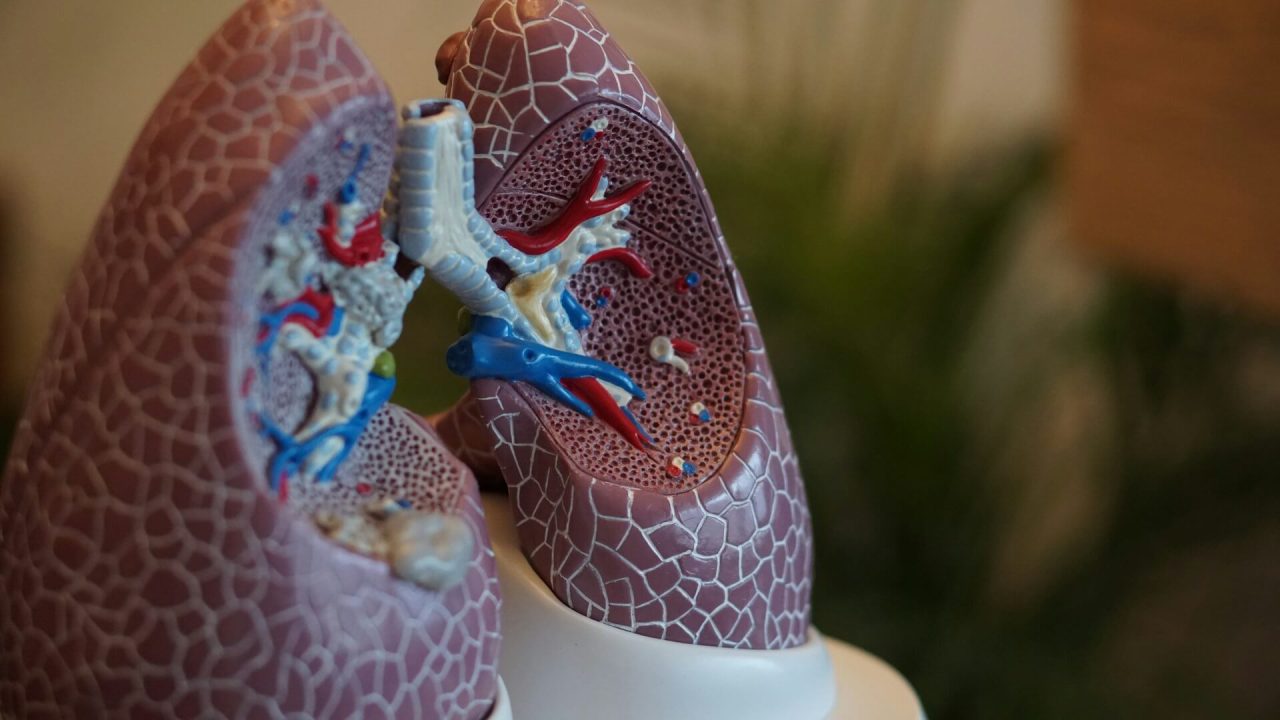
Image: Among 3. and 4:00 a.m., the lungs are working.
Wake up between 4. and 5 a.m.: stimulate the colon
The large intestine excretes waste substances from your body. If you look at the colon through the eyes of natural medicine, you will see an organ that symbolizes the release of physical and emotional stresses. By waking up at this time, your body may be telling you that you should get rid of something that no longer serves you. And it may not just be toxic substances, but also perhaps outdated habits.
Another cause of waking can be unnecessary clinging to the past, fear of the future or the problem of forgiveness. If you want to sleep peacefully, learn techniques that allow you to embrace change and let go of what you no longer need. For example, you might meditate or engage in a low-impact exercise.
How to care for the colon?
Drink a glass of warm water in the morning,
avoid heavy and fatty foods,
learn to accept the new and let go of the old and unnecessary.
Simple measures to improve sleep
Before you go to see a specialist and a sleep lab, there are a few simple measures you can take to get a good night’s sleep that you can do yourself.
Sleep on a quality mattress – You may be waking up at night because you’re sleeping on a worn-out, old mattress that doesn’t meet your requirements for a good night’s sleep. If your mattress is more than 7 years old, or if it’s worn out, squeaks, or has other flaws, replace it with a new one. Your body will thank you.
Have the right pillow under your head – choose a pillow according to your sleeping position or health limitations. Anatomical pillows are ideal for people suffering from back and cervical spine pain. They help keep the spine in its natural curvature.
Get into a comfortable bed – you may be waking up because your old bed is creaking, leaking irritants or doesn’t feel safe. Some of the most comfortable beds are high boxspring beds with a sprung base and two mattresses. At Materasso, you can also choose upholstery suitable for allergy sufferers. Our beds are made from the highest quality materials, so they are quiet, durable and long-lasting.
Avoid blue light – the blue light emitted by screens and displays blocks the secretion of the hormone melatonin. This hormone prepares your body for sleep. If it’s “blocked” by blue light, your body can’t tune into the sleep wave because it thinks it’s still daytime and you need to be awake.
Take an inventory of what you eat before bed – don’t have heavy, spicy foods before bed, and avoid large portions. If you eat unhealthily or overeat, your body has to exert a lot of energy to process the food. The consequence can be night waking.
Don’t have caffeine – don’t drink caffeinated beverages about 6 hours before bedtime, which cause problems falling asleep.
If you are suffering from interrupted sleep, try to find the cause. The time of the morning you wake up may be a clue. But also think about what you sleep on and what you do before you go to sleep. A comfortable mattress and a well-ventilated bedroom with no blue light will give you a restful night’s sleep.
Abychom poskytli co nejlepší služby, používáme k ukládání a/nebo přístupu k informacím o zařízení, technologie jako jsou soubory cookies. Souhlas s těmito technologiemi nám umožní zpracovávat údaje, jako je chování při procházení nebo jedinečná ID na tomto webu. Nesouhlas nebo odvolání souhlasu může nepříznivě ovlivnit určité vlastnosti a funkce.
Funkční
Always active
Technické uložení nebo přístup je nezbytně nutný pro legitimní účel umožnění použití konkrétní služby, kterou si odběratel nebo uživatel výslovně vyžádal, nebo pouze za účelem provedení přenosu sdělení prostřednictvím sítě elektronických komunikací.
Předvolby
Technické uložení nebo přístup je nezbytný pro legitimní účel ukládání preferencí, které nejsou požadovány odběratelem nebo uživatelem.
Statistiky
Technické uložení nebo přístup, který se používá výhradně pro statistické účely.Technické uložení nebo přístup, který se používá výhradně pro anonymní statistické účely. Bez předvolání, dobrovolného plnění ze strany vašeho Poskytovatele internetových služeb nebo dalších záznamů od třetí strany nelze informace, uložené nebo získané pouze pro tento účel, obvykle použít k vaší identifikaci.
Marketing
Technické uložení nebo přístup je nutný k vytvoření uživatelských profilů za účelem zasílání reklamy nebo sledování uživatele na webových stránkách nebo několika webových stránkách pro podobné marketingové účely.