How to choose the firmness of the mattress? It depends mainly on your feeling, but also on your sleeping position
The firmness or also the stiffness of the mattress is one of the important criteria you should think about when you are buying a new mattress. Many people choose the firmness according to the previous mattress and completely forget that the sleeping position, their weight and their own feeling of comfort are also important. The right mattress firmness will have a positive effect on the quality of your sleep and the health of your support system.
In our article, you will find out what mattress firmnesses you can encounter, how they are referred to or what the term zoning means. We’ll also be sure to introduce you to the difference between firmness and support.
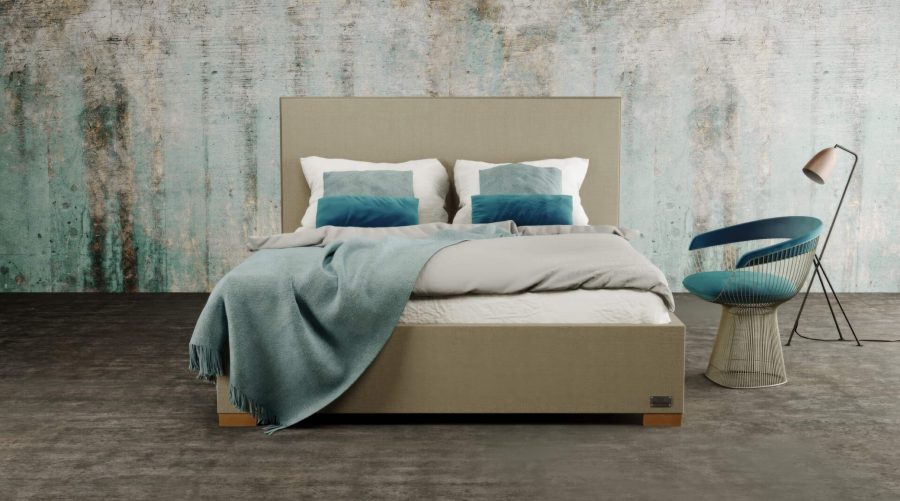
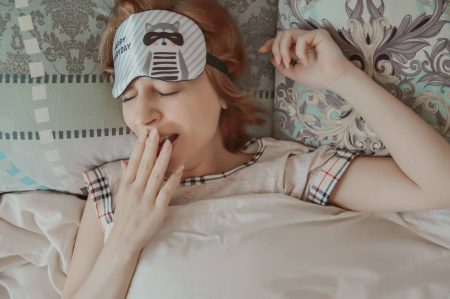
Image: it depends mainly on your feeling, but also on your sleeping position.
What is the hardness of the mattress
Hardness is a way to describe the way you feel when you lie on a mattress. The two extremes can be concrete and puffs. So a mattress can be so hard that you feel like you’re lying on concrete, or so soft that you feel like you’re lying on a cloud.
Hardness is a very subjective feeling, because what may appear hard to one person is rather medium soft to another. That’s why mattresses of different firmnesses are available so that you can find the one that suits your needs.
Why hardness matters
Hardness significantly affects comfort, a factor that does not pay to underestimate. A nice and comfortable mattress is really important if you want to get a good and healthy night’s sleep. Of course, the type of mattress, as well as the pillows and blankets, also play a part in the quality of your sleep.
If the first thing you think about when you wake up is pain, you feel tired and out of sorts, it’s probably hard to sleep on a mattress for several years. Plus, one of the rules of sleep hygiene is that you should feel comfortable and want to relax in your bedroom. And you certainly won’t want to do that anymore at the sight of an uncomfortable mattress.
On an uncomfortable mattress, you’ll be tossing and turning all night to find the optimal position for your body, plus the risk of back problems followed by pain increases.
What is the difference between hardness and support
The firmness of the mattress is not the same as the support. When the word support is used in the context of a mattress, it means support for optimal spinal positioning. Firmness refers to how you feel about the comfort of the mattress. While there is a relationship between support and firmness, they need to be thought of separately. A mattress that relieves pressure and holds the spine in an anatomical position has good support no matter how hard or soft it is. So firmness is subjective, but spinal support is not.
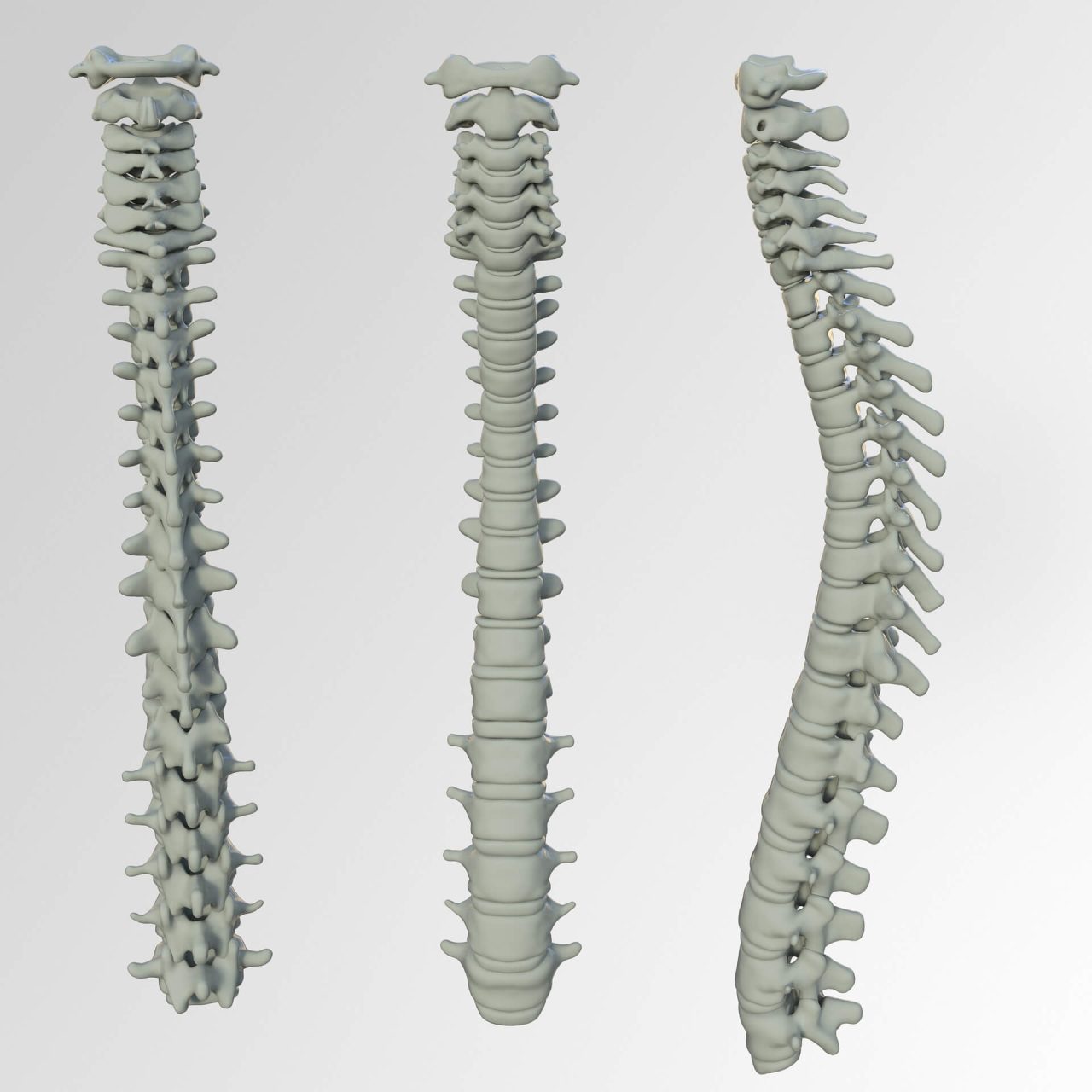
Image: a good quality mattress supports the correct posture of the support system.
Hardness grades with T
The letter T in this field is not a physical quantity indicating time, but a reference to hardness. Sometimes you may also come across the letter H, which is based on the English word “hardness”. You will encounter four degrees of hardness:
T1,
T2,
T3,
T4.
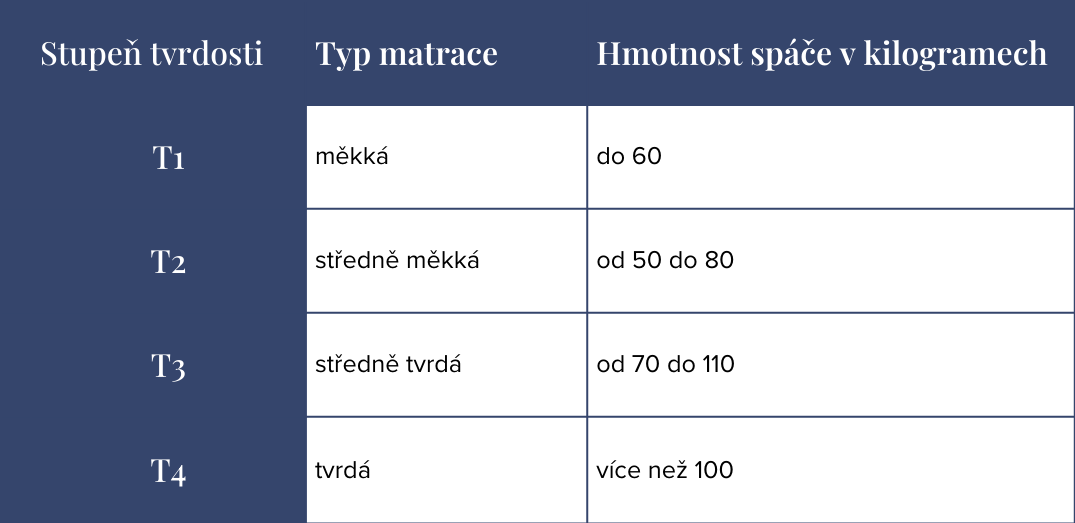
T1 is the designation for a soft mattress and T4 for a hard mattress. You should choose the level of firmness according to your weight.
This table is only a guide, as your comfort is the most important thing. It is possible that you fall into one category but find a mattress from another category more comfortable. Most sleepers choose between T2 and T3 firmness. This is because a mattress that is too soft doesn’t provide the necessary support for your spine and your body sinks into it too much, while an extra hard mattress can press and you may not feel comfortable on it.
Also adjust the choice of hardness to whether you are male or female.
Men – usually have a higher weight than women. Therefore, they should reach for a firmer and firmer mattress that will provide enough support for their backs.
Women – they have a more delicate body structure and are usually lighter in weight, so a medium-firm mattress that adapts to their sleeping position is recommended.
Image: Choose the firmness of the mattress not only according to weight and feel, but also according to sleep position.
Firmness and sleeping positions
The appropriate firmness of the mattress depends not only on your weight, but also on your sleeping habits. Each sleeping position requires a different firmness, otherwise you may wake up in the morning with lumbar or cervical spine pain, for example.
T1 – soft mattress
Soft mattresses (e.g. ALTEZA 25 H2) can adapt well to the body, distribute pressure points and keep the spine in a healthy position. On the other hand, too much softness can be detrimental, and in some sleepers can cause excessive curvature of the spine as the body “digs” into the mattress.
Soft mattresses are suitable for side sleepers, as they sufficiently absorb the pressure that arises especially in the shoulder and hip area. On the other hand, they are not suitable for stomach and back sleepers, as the support system may be unnecessarily bent.
T2, T3 – medium soft and medium hard mattress
Mid-range mattresses (e.g. SOPRANO 30) offer the best overall support, as they can adapt to the body to reduce pressure points without the sleeper “digging” too much into the mattress. Spinal alignment is most optimal on these mattresses.
This type is suitable for sleeping in any position and especially for people who change positions several times during the night. They are also a good choice for couples where each prefers a different position.
T4 – hard mattress
Many mattresses with this firmness can provide sufficient support for the spine. While they can’t conform to the body as well as medium-firm or medium-soft or soft mattresses, they are cushioned enough to prevent problems in the area with the most pressure.
A firm mattress (e.g. Biogreen MAXI) is not the best choice for side sleepers as it may not distribute the pressure in the shoulder and hip area sufficiently. On the other hand, it is a good choice for back and stomach sleepers, as the back and stomach do not rub too hard against the mattress, the spine does not remain in an unnatural position and, on the contrary, optimal support is provided for the lower back. Few individuals actually sleep on extremely hard mattresses.
What does the firmness of the mattress affect
The correct mattress firmness affects:
Sex life – too soft and too hard mattresses are not good companions for intimate moments between partners. A soft mattress is too much for partners to sink into, which hinders movement. On a hard one it is very difficult to get into a comfortable position.
Feel the temperature – if you sink into the mattress too much, airflow around your body is prevented. This can lead to a build-up of heat in the mattress, which then affects your skin, and you start to sweat.
Motion transfer – especially in a twin mattress, the firmness has a significant effect on how much motion will transfer from side to side. Too much motion transfer can lead to waking or disturbing your partner’s sleep. Hard and medium mattresses are ideal in this respect.
Edge support – if you are a person who sleeps at the edge of the mattress a lot, or if you regularly sit on the edge of the mattress, it is important that the mattress has enough firmness at the edges to prevent rapid deformation. A firmer mattress is a good choice in this respect. If you tend to sleep on the edge of the mattress, make sure that the sides of the bed cover at least two-thirds of the mattress. This way, it won’t slide off and will have sufficient support. So choose from designer and continental beds.
Zoning of the mattress
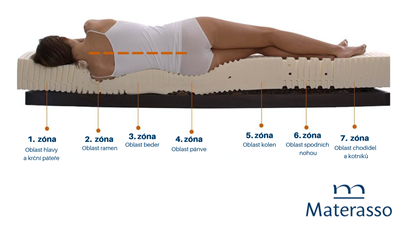
Some mattresses offer zoning. This means that they have three to seven different fixed zones along their length. Since the human body does not exert pressure evenly across the entire surface of the mattress and loads each part differently, the mattress should be designed to accommodate this. The zones are essentially areas of different material stiffness that can provide different levels of support.
Figure: Layout of the seven mattress zones.
How many zones to opt for
The maximum number is seven, the minimum three. The number of zones tells you how well the mattress is able to follow your body’s anatomy. By dividing the mattress into several differently stiff zones, it prevents bedsores in the areas of greatest stress. Find out if you’re sleeping on a mattress that’s sagging,
The greatest pressure is exerted in the hips, neck, back and feet.
The smallest in the shoulder and calf area.
The individual zones help the mattress to adapt to the curves of the body and ensure optimal pressure distribution for the user. In addition, they promote the body to lie in a healthy and natural position.
3 zones – the mattress is firmer under the centre of gravity, in the middle of the body and in the hip area. The mattress is softer in the upper and lower part of the body.
5 zones – in addition to the middle of the body, the shoulder and knee area is also strengthened.
7 zones – the mattress has zones for the head, neck, calves and feet.
Zoning mattresses are recommended for people who suffer from problems with the support system and poor sleep quality. However, they can be used by all those who want to prevent these problems.
They are completely unsuitable for children under 150 centimetres. The child’s body is not yet sufficiently developed and the zones would support the wrong parts. Single firmness mattresses are recommended for children.
Quality grid
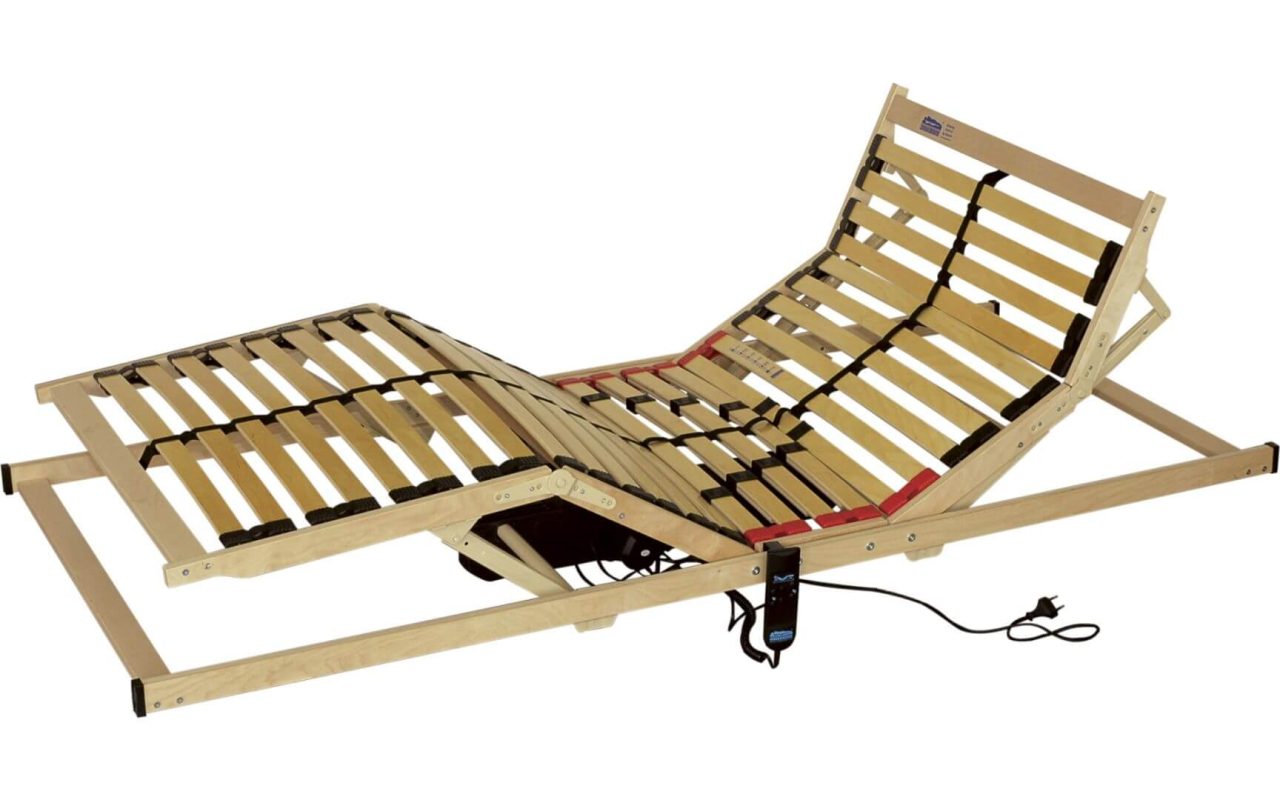
The mattress also goes hand in hand with the mattress, as the mattress grid also has a major influence on the weight distribution, but also on the moisture wicking and overall air circulation in the mattress. For example, children and younger people in general can get by with a classic slatted mattress. Adults, however, are advised to prefer slatted mattresses, which distribute the pressure exerted by elastic support of the body better and also help the mattress to adapt better to the shapes and curves of your body. Resilient bed mattresses provide the softening or firming needed for different parts of the body.
Image: the grid helps with optimal weight distribution.
Abychom poskytli co nejlepší služby, používáme k ukládání a/nebo přístupu k informacím o zařízení, technologie jako jsou soubory cookies. Souhlas s těmito technologiemi nám umožní zpracovávat údaje, jako je chování při procházení nebo jedinečná ID na tomto webu. Nesouhlas nebo odvolání souhlasu může nepříznivě ovlivnit určité vlastnosti a funkce.
Funkční
Always active
Technické uložení nebo přístup je nezbytně nutný pro legitimní účel umožnění použití konkrétní služby, kterou si odběratel nebo uživatel výslovně vyžádal, nebo pouze za účelem provedení přenosu sdělení prostřednictvím sítě elektronických komunikací.
Předvolby
Technické uložení nebo přístup je nezbytný pro legitimní účel ukládání preferencí, které nejsou požadovány odběratelem nebo uživatelem.
Statistiky
Technické uložení nebo přístup, který se používá výhradně pro statistické účely.Technické uložení nebo přístup, který se používá výhradně pro anonymní statistické účely. Bez předvolání, dobrovolného plnění ze strany vašeho Poskytovatele internetových služeb nebo dalších záznamů od třetí strany nelze informace, uložené nebo získané pouze pro tento účel, obvykle použít k vaší identifikaci.
Marketing
Technické uložení nebo přístup je nutný k vytvoření uživatelských profilů za účelem zasílání reklamy nebo sledování uživatele na webových stránkách nebo několika webových stránkách pro podobné marketingové účely.