Slipping into frequent sleepovers is not difficult. All it takes is a few interesting movies or TV shows, a fresh crush, or even a new hobby. If you’re one of those sleep-deprived regulars, beware. Long-term insomnia or poor quality sleep has a significant impact on your health. What actually happens to the body during sleep and why is it so important?
What does the body need sleep for?
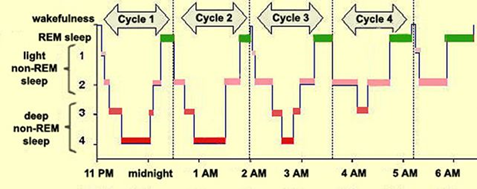
You lie down, sleep and get up. It seems very simple. But sleep is much more than a simplistic idea of a night’s relaxation. Through five sleep cycles, in which REM and non-REM sleep phases alternate, physiological and psychological changes occur throughout the body.
During the REM phase of sleep, which occupies approximately 20-25% of sleep, there is rapid horizontal eye movement. The heart rate increases, oxygen consumption and blood pressure rise, breathing and body temperature fluctuate, and men may experience erections.
Figure: After about 90 minutes of gradual deceleration, the first REM phase of sleep occurs. Source: em.muni.cz
During the non-REM phase of sleep, which accounts for approximately 75-80%, there is a decline in the activity of the central nervous system, which is accompanied by a slowing down of most bodily processes to a minimum. Muscles gradually relax, breathing and heart rate slow down, reaction to sensory stimuli disappears and energy consumption decreases.
Although it looks like the body is just resting at this stage, this is not the case. The endocrine system secretes important hormones, such as growth hormone, which renews old tissue and creates new. Blood circulation to the muscles increases and blood pressure decreases. The cardiovascular system and the immune system are also strengthened, making the body more immune. The brain also shows high activity – it replays the contents of memory, consolidates memories, regenerates rational functions and neuroplastic changes essential for functional memory occur.
Consequences of long-term poor quality sleep
However, the absence of quality sleep disrupts all these natural mechanisms and the body becomes seriously weakened. The initial symptoms are fatigue and exhaustion, impaired concentration, low mood and irritability, reduced alertness and perception. There is a greater likelihood of errors and accidents.
If poor quality sleep lasts longer than 4 weeks, or if short-term sleepless nights recur regularly, you are already at risk of significant health problems. Such long-term sleep deprivation causes weight fluctuations, high blood pressure, increased susceptibility to addiction, the development of anxiety, depression and mental illness, memory impairment and even complete cognitive and motor decline.
Image: Sleep deprivation, or the resulting reduced attention span, can put your life at risk during normal activities.
7 steps to healthy sleep
However, avoiding these negative consequences is usually not difficult. Sleep problems are often triggered by bad habits that sometimes creep subtly into the daily routine. When you add to this the constant hustle and bustle and stress that plagues most of the population, insomnia is a clear consequence. So what should you avoid if you want sleep to strengthen your health, not undermine it?
1. Set a fixed sleep mode
While it is quite common for children to set a fixed bedtime and bedtime routine, this is not usually the case for adults. Sleep patterns often look very chaotic and irregular. People cut the optimal 8 hours of sleep during the week, which has a very negative impact on their productivity and overall fatigue. However, the body will ask to make up for the sleep deficit, perhaps through an unpleasant migraine, a bad mood or unsustainable sleepiness.
Therefore, try to set a fixed sleep schedule to regulate the time you fall asleep and get up. But don’t expect your habits to change after one night and morning. Stick to the new regime for at least seven days continuously, preferably a month, to feel the change.
2. Be active
A sedentary lifestyle has an adverse effect on many areas of life, one of which is sleep. If you want to get a good night’s sleep, include regular exercise in your activities. Even a ten-minute walk is reported to have beneficial effects on sleep.
However, avoid strenuous exercise and weight training later in the day. Physical activity is more likely to wake you up than lull you to sleep.
Image: Stop work for at least 10 minutes a day and go for a short walk.
3. Avoid alcohol and caffeine before bedtime
Would you like a drink of alcohol to help you sleep? But in reality, you’re only moving away from healthy sleep. While alcoholic beverages can help you fall asleep, they cause you to wake up frequently during the night, which will reduce the overall quality of your sleep.
The same will happen if you consume caffeine before bedtime. It’s best to avoid coffee, cola drinks, energy drinks or black tea not only in the evening, but from late afternoon onwards.
4. Dine sparingly
In the evening, don’t bother with heavy cooking, choose a simple and light meal for the last meal of the day. In particular, avoid foods that are difficult for the body to process, such as hard cheeses, legumes, industrially processed foods, spicy foods, beef, sausages, ice cream, and fibre-rich fruit.
You should also definitely cut dark chocolate out of your evening diet, as it is rich in so-called polyphenols, which are a source of caffeine. A hidden dose of caffeine can also be found in matcha tea, which should also be avoided before bedtime.
And what can you consume for the evening? Potatoes, fish, chicken or turkey breast, seeds and nuts, bananas and, surprisingly, porridge, which is usually preferred for breakfast.
5. Treat yourself to an evening of relaxation
At least an hour before going to bed , give yourself a nice rest and healthy relaxation. Relax your body with a hot shower or a warm bath. The increase in body temperature will naturally reduce metabolic activity, making it easier for you to fall asleep.
Instead of thinking about work tasks or browsing social networks, read or listen to an audiobook.
Image: set aside at least an hour before bedtime for quiet relaxation.
6. Limit blue light
Leave all electronics outside the bedroom door. The blue light emitted by backlit screens affects melatonin production, delaying your sleep. So if you regularly look at the internet, social media or play your favourite game before bed, you’re ensuring a very poor quality sleep. Take a break from mobile phones, laptops, tablets and TVs at least an hour before falling asleep.
7. Do not wake up unnecessarily
Sleep quality is also clearly related to where you fall asleep. So build a healthy bedroom with ideal sleeping conditions. And what are they?
The room temperature should be between 18 and 22 °C. Ventilate the room well before going to bed. Try to make sure that you do not get any noise from the street during the night.
Don’t underestimate the importance of your bed for a healthy sleep. In particular, a mattress that is too soft or too flat or an unsuitable mattress can keep you awake throughout the night. So choose a mattress that is firm enough to provide the right support for your whole body. Anatomical medical pillows and breathable blankets will also make sleeping easier and better.
When you suffer from sleeping sickness
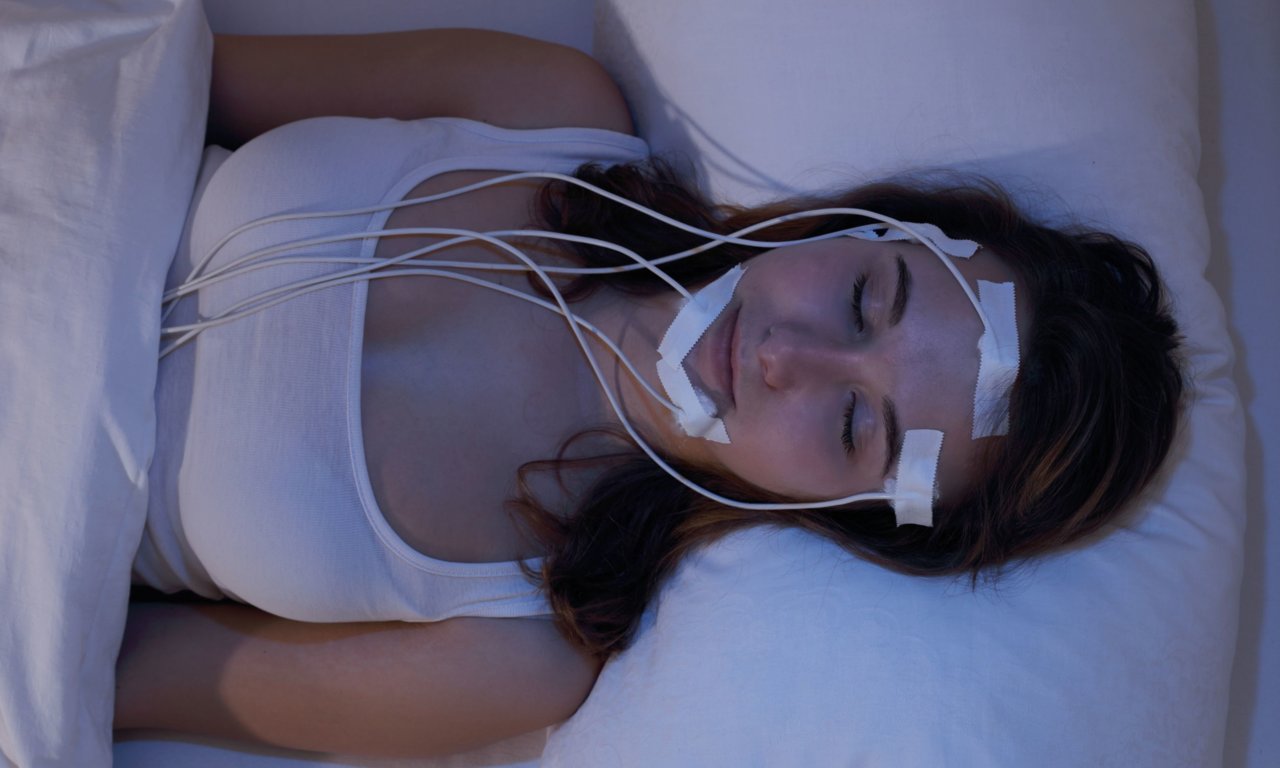
However, you cannot control every sleepover. A sleep disorder can cause you to have trouble falling asleep, or to wake up frequently and not be able to fall back asleep. For example, in the case of sleep apnoea, a sleep-disordered breathing disorder, you may need a special sleep aid to improve your condition.
All sleep disorders are diagnosed in specialised sleep centres, which can be found all over the Czech Republic. So, if you are struggling with insomnia and poor quality sleep, even though you are following all the steps mentioned above for a healthy sleep, you better head to a doctor.
Image: Poor quality sleep can cause health problems.
Abychom poskytli co nejlepší služby, používáme k ukládání a/nebo přístupu k informacím o zařízení, technologie jako jsou soubory cookies. Souhlas s těmito technologiemi nám umožní zpracovávat údaje, jako je chování při procházení nebo jedinečná ID na tomto webu. Nesouhlas nebo odvolání souhlasu může nepříznivě ovlivnit určité vlastnosti a funkce.
Funkční
Always active
Technické uložení nebo přístup je nezbytně nutný pro legitimní účel umožnění použití konkrétní služby, kterou si odběratel nebo uživatel výslovně vyžádal, nebo pouze za účelem provedení přenosu sdělení prostřednictvím sítě elektronických komunikací.
Předvolby
Technické uložení nebo přístup je nezbytný pro legitimní účel ukládání preferencí, které nejsou požadovány odběratelem nebo uživatelem.
Statistiky
Technické uložení nebo přístup, který se používá výhradně pro statistické účely.Technické uložení nebo přístup, který se používá výhradně pro anonymní statistické účely. Bez předvolání, dobrovolného plnění ze strany vašeho Poskytovatele internetových služeb nebo dalších záznamů od třetí strany nelze informace, uložené nebo získané pouze pro tento účel, obvykle použít k vaší identifikaci.
Marketing
Technické uložení nebo přístup je nutný k vytvoření uživatelských profilů za účelem zasílání reklamy nebo sledování uživatele na webových stránkách nebo několika webových stránkách pro podobné marketingové účely.