Choosing the right mattress firmness depends on many factors. For example, sleep position, health problems or weight. Soft mattresses are not only suitable for the elderly, but also for people who sleep on their side or suffer from musculoskeletal problems. Under what circumstances should I opt for a soft mattress?
Division of mattresses by firmness
When choosing a new mattress, you will find that there are mattresses available on the market in a variety of firmnesses from extra soft to extra hard. They are usually marked with letters and numbers.
T1 – soft mattress,
T2 – medium soft mattress,
T3 – medium hard mattress,
T4 – hard mattress.
From time to time you may also come across the T5 designation, which refers to an extra firm mattress that is designed for people with obesity. The firmness of the mattress usually corresponds to the weight of the sleeper. However, this is only a general recommendation and it is up to your individual discretion which firmness suits you best. Therefore, it is recommended that you select your mattress in person at the store, where you will lie on the mattress for at least 15 minutes in your preferred sleeping position.
The general recommendation is:
T1 soft mattresses suitable for people weighing up to 60 kg,
The T2 medium soft mattress is suitable for sleepers weighing between 50 and 80 kg,
T3 medium-firm mattresses designed for people weighing between 70 and 110 kg,
T4 hard mattresses made for sleepers weighing over 110 kg.
Do you prefer to sleep on a hard or soft mattress?
While it used to be said that sleeping on a hard mattress was the healthiest for the body, this is no longer the case thanks to modern processing techniques and a wide range of manufacturing materials. Most important of all, the mattress should support the natural curvature of the spine. This is the only way to get up in the morning feeling refreshed and without pain in your lumbar or cervical spine.
In general, soft mattresses are recommended for side sleepers. This is because they can provide relief from pressure in the shoulder and hip area. However, if you sleep on your stomach or back, a firmer mattress that better supports your spine is a better choice. You shouldn ‘t feel any pressure on the perfect mattress. You should feel like you are floating. An inappropriate mattress firmness can cause back pain and disrupt quality sleep.
Choose the degree of firmness of the mattress according to:
individual physical characteristics,
preferences,
weights,
sleep positions,
health problems.
How can you tell if a mattress is too soft or too hard? Try it with a simple test. Lie on the mattress on your back. Insert your hand into your lower back. If you can easily insert your hand and there is still room, the mattress is too hard. If your hand does not fit into the space between your lumbar spine and the mattress, the mattress is very soft. A mattress that is too soft or too hard is not the best choice for your body.
Too soft mattress:
does not provide sufficient support for the spine,
does not keep the spine in its natural curvature,
he’ll soon be lying down,
if you sink deep into it, you’ll probably sweat in it.
Too hard mattress:
will not allow the spine its natural curvature,
will not provide sufficient cushioning in areas where the mattress is under the most pressure,
causes poor blood circulation,
your limbs may tingle due to lack of cushioning.
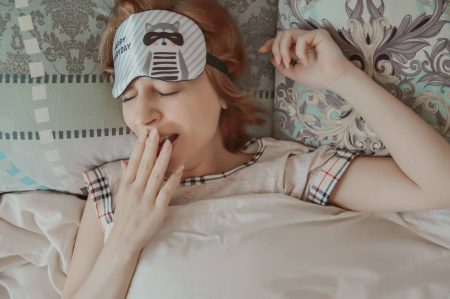
Image: Soft mattresses are suitable for side sleepers.
For whom are soft mattresses the obvious choice?
Soft and comfortable mattresses are generally recommended for sleepers with a slim build and lower body weight who do not have special requirements for back support. However, this does not mean that the mattress does not provide the right anatomical support for the body. A soft mattress with zoning will offer the most comfortable rest.
The entire surface of the mattress is divided into several anatomical zones (most of them are 7). Each zone has a different stiffness that corresponds to the load on a specific part of the body (e.g. head, shoulders, hips, ankles, etc.). Therefore, it keeps your spine in a healthy position during sleep.
Who should put a soft mattress on the grate of their bed?
Those suffering from joint pain – not just the elderly, but anyone suffering from arthritis or other joint-related problems. A soft mattress can relieve the pain.
Side sleepers – a soft mattress can relieve pressure in the shoulder and hip area. The body can “dig in” better than a hard mattress. There is no unnecessary pressure on these parts.
Those who are lighter in weight – if you have a petite body and a lighter weight, a soft mattress is perfect for you. Your body won’t sink into it as much. On a hard mattress, you might feel like you’re sleeping on concrete.
Those who prefer softer sleeping – if you like to sleep on soft, reach for a soft mattress. However, the firmness of the mattress should support a healthy curvature of the spine.
What materials are used to make soft mattresses?
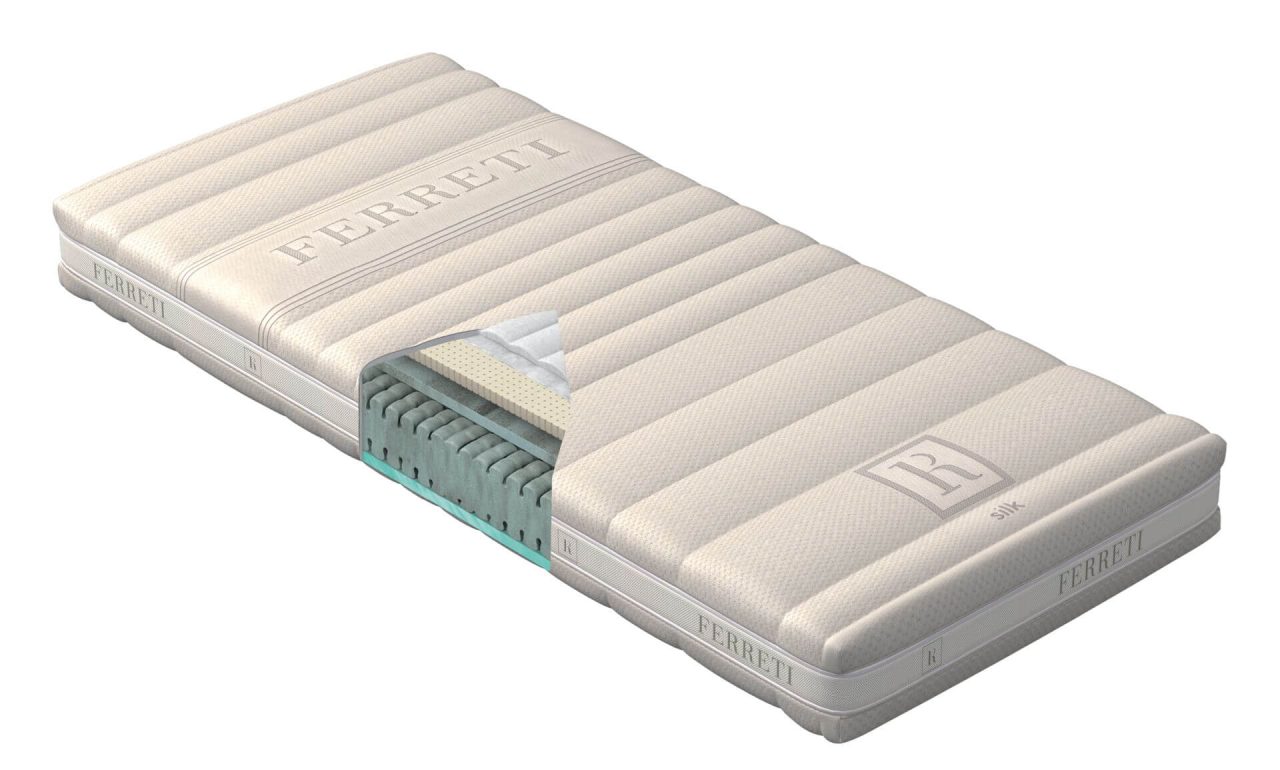
Foams are most commonly used for soft mattresses. Spring mattresses, both bonell and pocket sprung, tend to be medium to firm mattresses.
Soft mattresses are available in a range of sizes, most notably 90 × 200 cm, which is the size of a classic single bed. If you’re looking for a soft mattress for a larger single bed, go for the 140 × 200 cm size. A large double mattress is usually 180 × 200 cm.
Soft mattresses are made of:
latex – ideally the Talalay type, which is softer than the Dunlop type,
memory foam – Memory foam changes its stiffness depending on the temperature of the human body, so it always gives you the right support,
HR foam – it is flexible and latex-like and has sufficient breathability, so it is also appreciated by sleepers who sweat more.
Image: Talalay latex mattress.
How do I adjust the firmness of my mattress to my liking?
The stiffness requirements of a mattress change over the course of a lifetime. The most common are weight changes (weight gain or loss), pregnancy, advancing age, health complications, injuries, etc. With these changes, you don’t need to get a new mattress right away if yours is fine and serving you well.
You can easily adjust the firmness of the mattress with a topper or top mattress topper. If you feel your mattress is too firm, place a soft pad on top of the mattress. Otherwise, reach for a firmer pad.
A topper is a thin mattress that is between 6 and 8 cm thick and is made of different materials. It is used not only to adjust the firmness but also to improve the hygiene of the bed. It protects the main sleeping mattress from dust, but also from contamination such as liquids. This additional layer also extends the life of the main mattress, as it protects it from earlier bedsores.
The thin top pad is usually equipped with a removable and washable cover, which can be easily removed and washed if necessary. This extends the cleaning interval of the main mattress and saves you the work.
Remember, as one makes his bed, so shall he lie down. Lie down on a mattress that will transport you to a world of restorative sleep. And in the morning, you’ll wake up refreshed and rested.
Abychom poskytli co nejlepší služby, používáme k ukládání a/nebo přístupu k informacím o zařízení, technologie jako jsou soubory cookies. Souhlas s těmito technologiemi nám umožní zpracovávat údaje, jako je chování při procházení nebo jedinečná ID na tomto webu. Nesouhlas nebo odvolání souhlasu může nepříznivě ovlivnit určité vlastnosti a funkce.
Funkční
Always active
Technické uložení nebo přístup je nezbytně nutný pro legitimní účel umožnění použití konkrétní služby, kterou si odběratel nebo uživatel výslovně vyžádal, nebo pouze za účelem provedení přenosu sdělení prostřednictvím sítě elektronických komunikací.
Předvolby
Technické uložení nebo přístup je nezbytný pro legitimní účel ukládání preferencí, které nejsou požadovány odběratelem nebo uživatelem.
Statistiky
Technické uložení nebo přístup, který se používá výhradně pro statistické účely.Technické uložení nebo přístup, který se používá výhradně pro anonymní statistické účely. Bez předvolání, dobrovolného plnění ze strany vašeho Poskytovatele internetových služeb nebo dalších záznamů od třetí strany nelze informace, uložené nebo získané pouze pro tento účel, obvykle použít k vaší identifikaci.
Marketing
Technické uložení nebo přístup je nutný k vytvoření uživatelských profilů za účelem zasílání reklamy nebo sledování uživatele na webových stránkách nebo několika webových stránkách pro podobné marketingové účely.