The right mattress can help you from some health problems
8 minutes of reading
17
Feb
Did you know that sleep and health problems interact? If something hurts, you can’t sleep well. If you don’t sleep well, your body can’t regenerate properly and give you enough strength to heal. Every health problem requires a different mattress. How do you choose the best one?
Pain in the back and sacrum
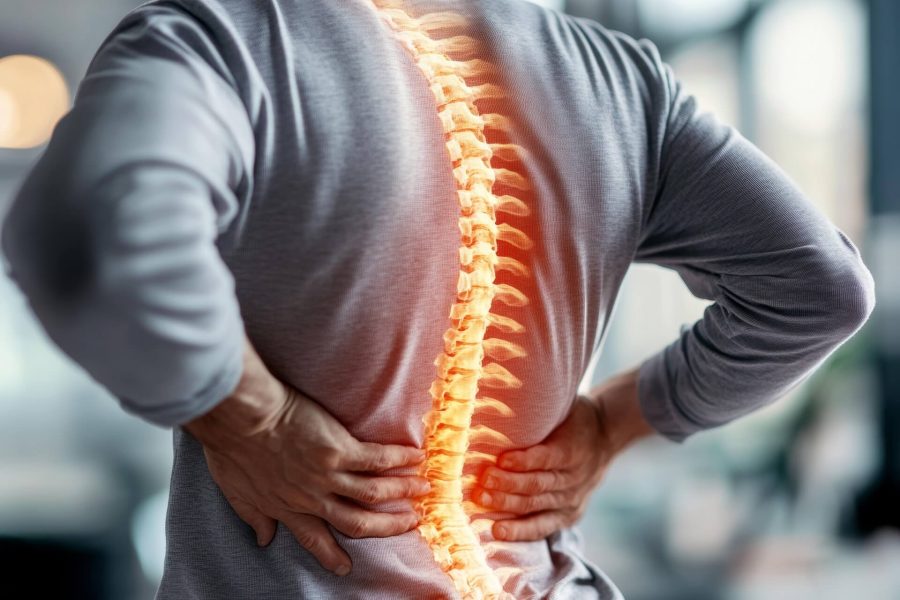
Back and lumbar pain is not only related to standing posture or the way you sit in sedentary jobs. An uncomfortable mattress or an inappropriate sleeping position is also a major contributor.
How do you know if the mattress is to blame? If you wake up in the morning with back pain that you can’t get rid of after exercising and stretching, reach for a different mattress. Other signs of an unsuitable mattress could be:
frequent night waking,
the problem of finding the best sleeping position.
Sleeping on an unsuitable mattress for a long time can make your problems worse. There is a correlation between sleep and back pain. Discomfort due to pain negatively affects the quality of your sleep. If you sleep poorly, the desired recovery and healing of the body does not take place. Lack of sleep impairs the body’s recovery processes, but it also affects how you perceive pain.
What you should know about sleep positions
If you have back and lower back pain, it is best to sleep on your side with your knees bent. Put a small pillow between your knees. If you sleep on your back, put a pillow under your knees or hips to help maintain the natural curve of your spine. This will minimise pressure in the lumbar region. You can also sleep on your stomach, but only if you put a thin pillow under your head, hips and abdomen. This will prevent your lower body from sinking.
Mattress for back and lower back pain
The ideal mattress is one that is neither too soft nor too hard. Medium-firm mattresses are best , ideally orthopaedic mattresses. A mattress that is too soft will not give your body the support it needs. Your hips are lower than your shoulders, which will result in back pain. Conversely, a hard mattress does not follow the shape of your spine, which also leads to pain.
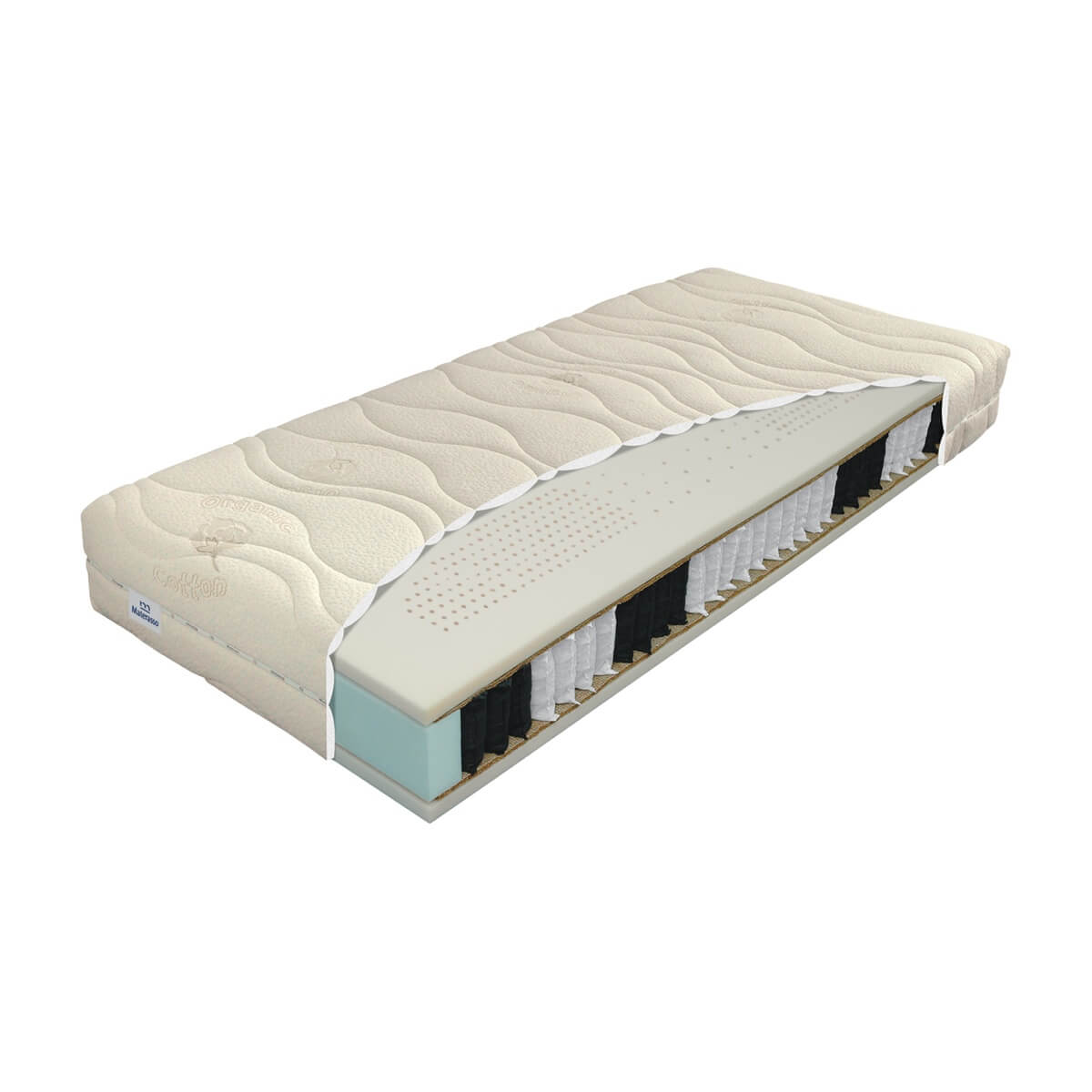
For back and lumbar pain, it is best to sleep on an orthopaedic mattress that promotes a healthy curvature of the spine and proper blood circulation. This allows your muscles and joints to recover sufficiently. Reach for sandwich mattresses made of different types of foam. Combinations of cold and memory foams are the best choice, but also mattresses made of latex foam. Your back will also benefit from a mattress made from a combination of materials. These are mainly pocket springs combined with memory foam.
Headaches
If you sleep on an unsuitable mattress, you may suffer from whiplash, headaches or migraines. If you sleep with your head too far back or too far forward, you’re putting a lot of pressure on your neck. This puts a strain on the nerves that run through this area. Because of this, you get a headache when you wake up, or worse, you get up with a migraine.
However, headaches can also be a sign of stress. In this case, you need to work on your inner peace. Listening to relaxing music, breathing techniques or aromatherapy can help.
Image: headaches can be caused by overloading the cervical spine.
Sleep positions
It is not recommended to sleep on your stomach when you have a headache, because you put unnecessary strain on the neck area, but also on the hips. If you sleep on your side, keep your neck higher than your head. The healthiest sleeping position is on your back.
Mattress against headaches
An inadequate mattress that causes headaches, pushing you down in the area around your shoulders, hips and lower back. Because of the constant pressure, your muscles are in permanent tension, which can manifest itself in migraines or general headaches. The right mattress can reduce the frequency and intensity of headaches.
The ideal mattress can evenly distribute the weight of your body, so it doesn’t push you anywhere. In addition, it promotes a healthy S-curve in the spine, so your vertebrae are in their natural position. Cold, memory or natural BIOGREEN foams are most commonly used for the production. Proper support in the cervical spine is important. An anatomical pillow will help you with this.
Some mattresses also have aromatherapy effects. If you know the pain stems from an overloaded mind, choose products that contain lavender extracts. Lavender extracts are used in both foam and mattress covers. Lavender is a natural antidepressant that helps with anxiety and stress.
Hip and shoulder pain when sleeping on your side
Your hips and shoulders can hurt for a variety of reasons. One of them is sleeping position combined with an unsuitable mattress. Hip and shoulder pain is most common in those who sleep on their side and on a mattress that is too soft or too firm.
Sleeping on your side
If your hips hurt when you sleep on your side, change your sleeping position. Sleeping on your back with a pillow under your knees is best. This keeps your spine aligned and doesn’t strain your hips or other joints. If you can’t give up sleeping on your side, put a pillow between your knees. This will keep your hips in the right line.
Shoulder pain comes from the fact that when you sleep on your side, most of the weight of your torso is on your shoulder. The solution, as with hip pain, is to change your sleeping position. Sleeping on your back is optimal. To relieve your shoulders, place a small pillow between your shoulder blades.
Mattresses for people with hip and shoulder pain
The firmness of the mattress affects whether or not your hips and shoulders hurt. A soft mattress may hug you comfortably and mould to your body, but it will sink too deeply into your hips and shoulders. This causes them to deflect and hurt. On the other hand, a mattress that is too hard lacks the elasticity needed to adapt to the curves of your body. This puts extreme pressure on your hips and shoulders.
For side sleeping, a softer mattress that does not put strain on the shoulder and hip joints is the best choice. Memory foam mattresses are best. Memory foam adapts perfectly to the curves of your body based on your body temperature. It does not put unnecessary pressure on your hips and shoulders, but at the same time supports them sufficiently so that there is no misalignment that would lead to pain.
Image: Bag mattress with hydrolatex foam.
Night sweats
Sweating is a natural process by which the body gets rid of waste products. Through sweating, the body maintains a stable temperature and does not overheat. However, if you wake up at night sweating “through and through”, this is not normal healthy sweating. You are probably suffering from hyperhidrosis, or excessive sweating.
Excessive sweating is hereditary and can occur as early as adolescence. You sweat up to 5 times more than people who do not suffer from this problem. You sweat most around your neck, head and chest. There is no treatment for this condition. Surgery can help, during which 60 to 90% of the sweat glands are removed. A non-invasive solution is to use antiperspirants that contain aluminium salts.
Sleep sweating can also occur due to hormonal changes, medications, psychological problems, substance use or other illnesses.
Mattresses for people who sweat a lot
If you tend to overheat and sweat quickly, choose a breathable mattress with an open cell structure. Mattresses quickly wick away moisture and bring in much-needed air. The air circulation makes the mattress dry faster and prevents a toxic environment full of bacteria and mould from forming.
Ideal are pocket and bonell spring mattresses or Talalay latex mattresses. Natural materials such as BIOGREEN foam also offer good breathability.
Cold feet under the duvet
Cold feet are uncomfortable and can make it difficult to fall asleep. There may be several reasons why your feet can’t get warm:
poor blood circulation,
low room temperature,
Raynaud’s disease (this is a narrowing of the blood vessels),
hypothyroidism (thyroid disease),
anemia (low red blood cell count),
stress and anxiety,
medications taken.
Getting your feet warm can help boost circulation. Try padding your feet. If you have an adjustable grill, elevate your foot area. Latex, memory foam and cold foam mattresses are ideal for people who suffer from chills. Mattresses with covers made of natural materials are another option. Wool and cotton or cashmere are particularly pleasantly warm.
Sleep and rheumatism
Rheumatism is a painful joint disease that affects people of all ages. Although the likelihood is higher in older people, it does not avoid younger people either. Arthritis causes swelling and increased joint sensitivity, so even the slightest pressure can cause you a lot of pain.
If you suffer from rheumatism, it is very important to sleep on a mattress that can relieve your pain. The right mattress should not put pressure on the sensitive joints in the area:
the task,
Shoulder,
hips,
neck.
A mattress that doesn’t hurt your joints
If you’re looking for a mattress that won’t hurt your joints, choose one that gives your body the support it needs. Memory foam and cold foam mattresses are the best choice, as they have perfect thermoregulating properties. In addition, they can adapt to your body. They don’t press anywhere, so they don’t cause unnecessary pain. You can also opt for a pocket spring mattress in combination with latex.
Treat your body and your health to the best. Sleep on a mattress that relieves or gets rid of unpleasant problems.
Abychom poskytli co nejlepší služby, používáme k ukládání a/nebo přístupu k informacím o zařízení, technologie jako jsou soubory cookies. Souhlas s těmito technologiemi nám umožní zpracovávat údaje, jako je chování při procházení nebo jedinečná ID na tomto webu. Nesouhlas nebo odvolání souhlasu může nepříznivě ovlivnit určité vlastnosti a funkce.
Funkční
Always active
Technické uložení nebo přístup je nezbytně nutný pro legitimní účel umožnění použití konkrétní služby, kterou si odběratel nebo uživatel výslovně vyžádal, nebo pouze za účelem provedení přenosu sdělení prostřednictvím sítě elektronických komunikací.
Předvolby
Technické uložení nebo přístup je nezbytný pro legitimní účel ukládání preferencí, které nejsou požadovány odběratelem nebo uživatelem.
Statistiky
Technické uložení nebo přístup, který se používá výhradně pro statistické účely.Technické uložení nebo přístup, který se používá výhradně pro anonymní statistické účely. Bez předvolání, dobrovolného plnění ze strany vašeho Poskytovatele internetových služeb nebo dalších záznamů od třetí strany nelze informace, uložené nebo získané pouze pro tento účel, obvykle použít k vaší identifikaci.
Marketing
Technické uložení nebo přístup je nutný k vytvoření uživatelských profilů za účelem zasílání reklamy nebo sledování uživatele na webových stránkách nebo několika webových stránkách pro podobné marketingové účely.