Sleep has always been considered something very important and crucial. You probably also know phrases like “sleep it off” or “morning wise evening”. Sleep is an integral part of our lives, during which the body regenerates itself. However, the quality and length of sleep varies between children, adults and seniors. What changes occur?
How many hours of sleep is a lot and how little?
Optimal sleep duration is one of the most frequently discussed topics. Too long, as well as too short sleep is not healthy for our body. Sleep length is influenced by lifestyle, but also by health and age. Sleeping too long can increase the risk of various diseases, such as obesity, diabetes or cardiovascular disease. However, if you sleep for a long time with shortened sleep, you may experience impaired concentration, dizziness, weakness in the lower limbs or stomach upset.
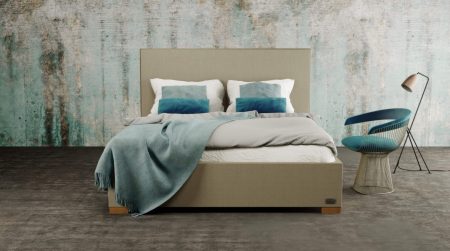
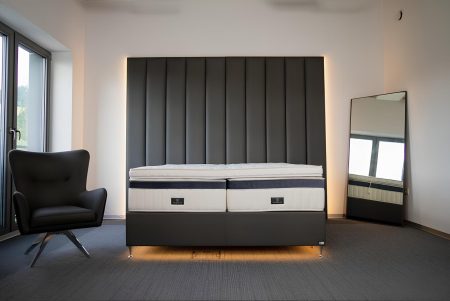
In addition to the length of your sleep, the quality of your sleep is also important, and you can support this by choosing a good mattress and mattress. Choose a mattress based not only on your physical constitution, but also on your preferred sleeping position and age.
You can sleep for 5 or 17 hours, depending on your age
Sleep duration goes hand in hand with age. The need for sleep is individual and there is no exact norm. How many hours you need to sleep is mainly determined genetically. There are rather general recommendations regarding sleep duration. While the average sleep time for an adult is around 8 hours, sleep becomes shorter and lighter as you get older. It is not uncommon for newborns to sleep for up to 17 hours a day.
So how long to sleep according to age?
Newborns (up to 3 months) – sleep about 14-17 hours a day,
Infants (4-11 months) – can sleep 12-15 hours per day,
preschoolers (3-5 years) – sleep 10-13 hours a day,
schoolchildren (6-13 years) – sleep about 9-11 hours a day,
teenagers (14-17 years old) – on average, they sleep 8-10 hours,
Youth (18-25 years) – spend 7-9 hours a day sleeping,
Adults (26-64 years) – sleep about 7-9 hours a day,
Seniors (65+) – spend 7-8 hours a day or less sleeping.
Image: Newborns can sleep up to 17 hours a day.
The older a person gets, the shorter the sleep time and the lighter the sleep. This is why he or she wakes up more often at night and has irregular sleep cycles. The ability to get good and adequate sleep begins to decline gradually from about the age of 30. Increased deterioration occurs after the age of 40 and significant deterioration occurs from about the age of 50, although most people do not admit it. The length and quality of sleep at night is declining, and daytime sleep is becoming almost the norm, especially among the elderly.
Sleep habits in children
Parents should teach their offspring sleep hygiene from childhood. Children need not only a daytime, but also an evening regimen that will get them to bed faster. How to do it?
It’s best to start your evening routine about 30 minutes before you go to bed.
Turn off the TV, tablets and other electronics.
Give the room a good airing.
Do evening bathing and brushing of teeth.
Read the children a story after putting them to bed and don’t forget to kiss them goodnight.
In order to get a deep sleep, children need a suitable bed and, above all, a good quality mattress and mattress topper. For smaller children, you can add a mattress protector to eliminate the effects of, for example, wetting or vomiting.
Sleep hygiene in adults
Sleep disorders in adults often go hand in hand with poor sleep hygiene and a lot of stress. That’s why it’s important to follow a few simple rules to get quality rest.
Get up and go to bed at the same time, even on the weekend.
Keep the bedroom free of distractions such as the TV or computer.
Ventilate the bedroom before going to sleep and keep the temperature around 18 °C.
Sleep on a quality mattress that provides sufficient support for every part of your body.
Don’t sleep during the day.
Do not eat heavy meals, smoke or drink alcohol before going to bed.
Seniors and insomnia
Many seniors have poor quality sleep because they wake up more often at night and get up early in the morning. As a result, they sleep very little. In order to find a solution to poor quality sleep, they first need to know the causes.
Image: Active rest is better than sleeping during the day.
Frequent daytime sleep – if you snooze a lot during the day, you run out of time to sleep during the day and don’t want to sleep at night. Therefore, alternate active activities with active rest during the day. Movement and walking are important to induce a good night’s sleep.
Medication use – poor quality sleep can be the result of certain medications or combinations of medications. If you wake up after taking some medicines and fall asleep after others, talk to your doctor about taking them.
Decrease in melatonin production – this sleep hormone is produced in the dark at around 1am. However, its production decreases with age. Therefore, it is important to sleep in a well-darkened room, limit television viewing in the evening and include rice, leafy greens, sage and bananas in your diet, which all support the production of the sleep hormone.
Eating – sleep is negatively affected by overeating and eating unhealthy foods. Therefore, try to have your last meal about 2 hours before bedtime. It should be a small and light meal that promotes melatonin production.
Abychom poskytli co nejlepší služby, používáme k ukládání a/nebo přístupu k informacím o zařízení, technologie jako jsou soubory cookies. Souhlas s těmito technologiemi nám umožní zpracovávat údaje, jako je chování při procházení nebo jedinečná ID na tomto webu. Nesouhlas nebo odvolání souhlasu může nepříznivě ovlivnit určité vlastnosti a funkce.
Funkční
Always active
Technické uložení nebo přístup je nezbytně nutný pro legitimní účel umožnění použití konkrétní služby, kterou si odběratel nebo uživatel výslovně vyžádal, nebo pouze za účelem provedení přenosu sdělení prostřednictvím sítě elektronických komunikací.
Předvolby
Technické uložení nebo přístup je nezbytný pro legitimní účel ukládání preferencí, které nejsou požadovány odběratelem nebo uživatelem.
Statistiky
Technické uložení nebo přístup, který se používá výhradně pro statistické účely.Technické uložení nebo přístup, který se používá výhradně pro anonymní statistické účely. Bez předvolání, dobrovolného plnění ze strany vašeho Poskytovatele internetových služeb nebo dalších záznamů od třetí strany nelze informace, uložené nebo získané pouze pro tento účel, obvykle použít k vaší identifikaci.
Marketing
Technické uložení nebo přístup je nutný k vytvoření uživatelských profilů za účelem zasílání reklamy nebo sledování uživatele na webových stránkách nebo několika webových stránkách pro podobné marketingové účely.