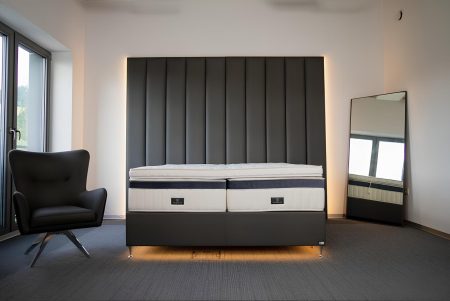
A detailed guide to choosing a bed, mattress and bedding for an allergy sufferer
6 minutes of reading
21
Apr
The bed is the most important piece of furniture in the bedroom. It must be durable and provide quality rest. In addition, for allergy sufferers, there is an emphasis on keeping dust mites, bacteria and other allergens out. What should the bed be made of and what mattress and bedding are best for allergy sufferers?
Pollen season starts with spring
The pollen season is the period during which pollen is present in the air. It lasts up to 10 months and is divided into three time intervals, each of which is characterised by a different group of allergens:
the beginning of the spring season – pollen of woody plants, i.e. trees and shrubs, is present in the air,
2nd half of spring to 2nd half of summer – at this time of year the air is full of grass and cereal pollen,
Peak summer and the coming autumn – allergy sufferers are most troubled by allergens from herbs, but also mould spores.
Especially for allergy sufferers, it is therefore available pollen calendarwhere they can see which pollens are currently “active”. However, the calendar is only indicative, as the pollen season is governed by the weather.
Are you sleeping badly? Maybe your bedroom environment is to blame
If you sleep poorly at night, have blocked airways, wake up in the morning with dry mucous membranes and irritated eyes, you probably have an allergen in your bedroom that your body is reacting to. The most common triggers of allergic reactions include:
dust mites – a person who suffers from dust allergy is actually allergic to the spores of dust mites. These thrive best in bedding, mattresses, but also in curtains, drapes and carpets.
Mould – occurs in damp, warm, dark and poorly ventilated environments. You can find them in the closet and even in the mattress. You sweat up to 1.5 litres of sweat into your mattress every night and if you don’t get enough fresh air, the moisture has nowhere to go, creating a breeding ground for mould.
Pollen – the highest concentration of pollen in the air occurs in spring and autumn. Pollen enters the bedroom when ventilating through an open window. It is therefore advisable to fit a protective window screen against pollen. You can also bring pollen into your bedroom after walking outside on your clothes and hair. Therefore, take off your clothes, ideally leave them in the hallway and wash your hair before going to bed.
Pet allergens – many people are troubled by allergies to animals. Allergens are most commonly found in animal hair, but also in their saliva. If you sleep in bed with your pet, allergens will settle in the mattress and on the sheets. In addition, they tend to fly through the air, so they can stick around in the bedroom for several hours.
To get a good night’s rest in the bedroom, you need a healthy environment. So remember to ventilate, dust, vacuum and mop the floor regularly and keep your bedroom clean. In addition, choose sheets, mattresses, pillows and blankets made from hypoallergenic materials.
Bed for an allergic person should be made of solid wood
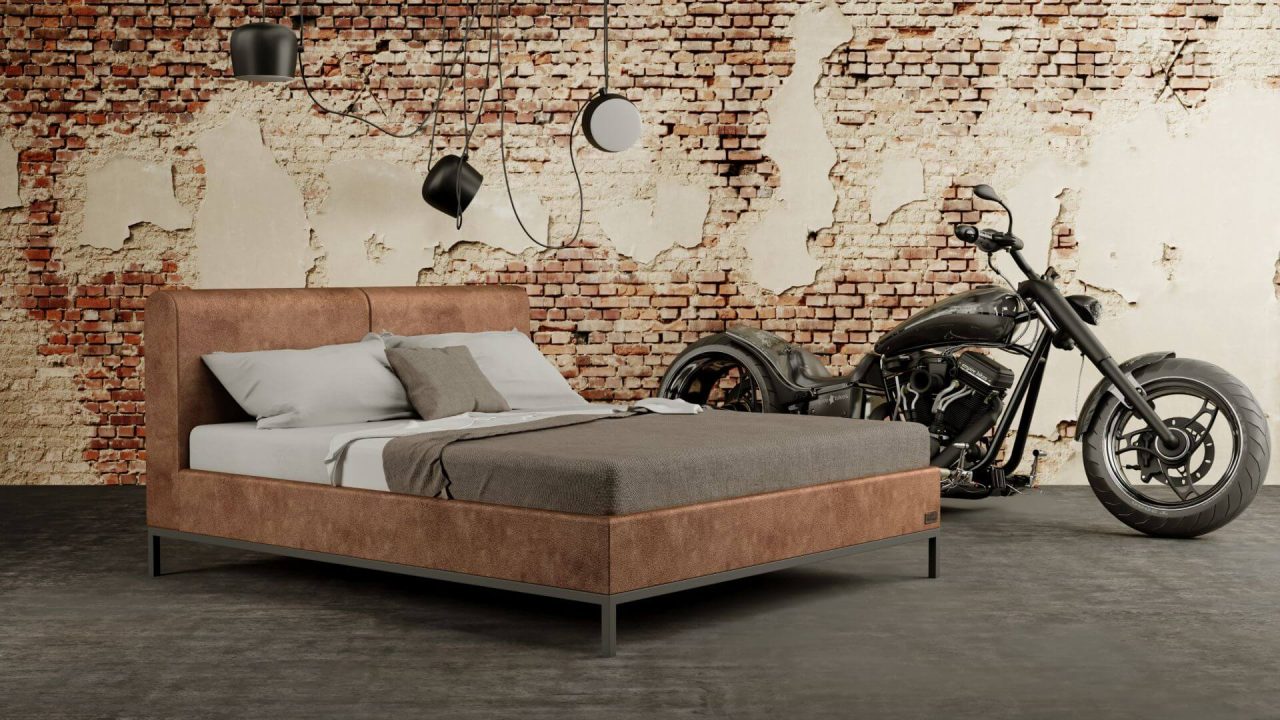
The bed is the queen of the bedroom. Besides the fact that it must be large and durable enough, in the case of allergy sufferers, the manufacturing material is also important. People with respiratory illnesses should avoid all-upholstered frames as they harbour dust mites. Their elimination is possible with regular maintenance, which takes a lot of time and will not be 100% anyway. Another option is a bed made of laminate, but there is a risk of allergies to adhesives.
For allergy sufferers, a bed made of natural materials is best, ideally solid wood in a simple design. Wood is a natural and 100% hypoallergenic material. Such a bed is also easy to maintain. It just needs to be dusted regularly. With regard to maintenance, it is advisable to keep the frame simple without unnecessary decorating and milling, which could hold dust.
Image: the floor under the bed should be easy to maintain.
Allergy sufferers should choose a bed that is free of storage space. This often prevents proper air circulation in the mattress, where mould can start to form. In addition, it holds dust, which is one of the most irritating allergens. The best choice is therefore beds without storage space, under which you can easily vacuum or mop.
Sweet sleeping on an anti-allergy mattress
In addition to the bed, the mattress also affects the quality of sleep for allergy sufferers. Especially for people who suffer from respiratory diseases, there are mattresses that prevent allergic reactions. This is because they are made of special, highly hygienic materials that prevent the mattresses from harbouring bacteria and mites that can cause allergic reactions.
Mattresses for allergy sufferers are made of special substances that do not allow mould to form or bacteria to multiply. These are usually breathable foams or natural materials. In addition, the mattress can also be fitted with a protective cover enriched with substances that eliminate allergic manifestations. The covers can usually be washed at a high temperature, which removes all allergens.
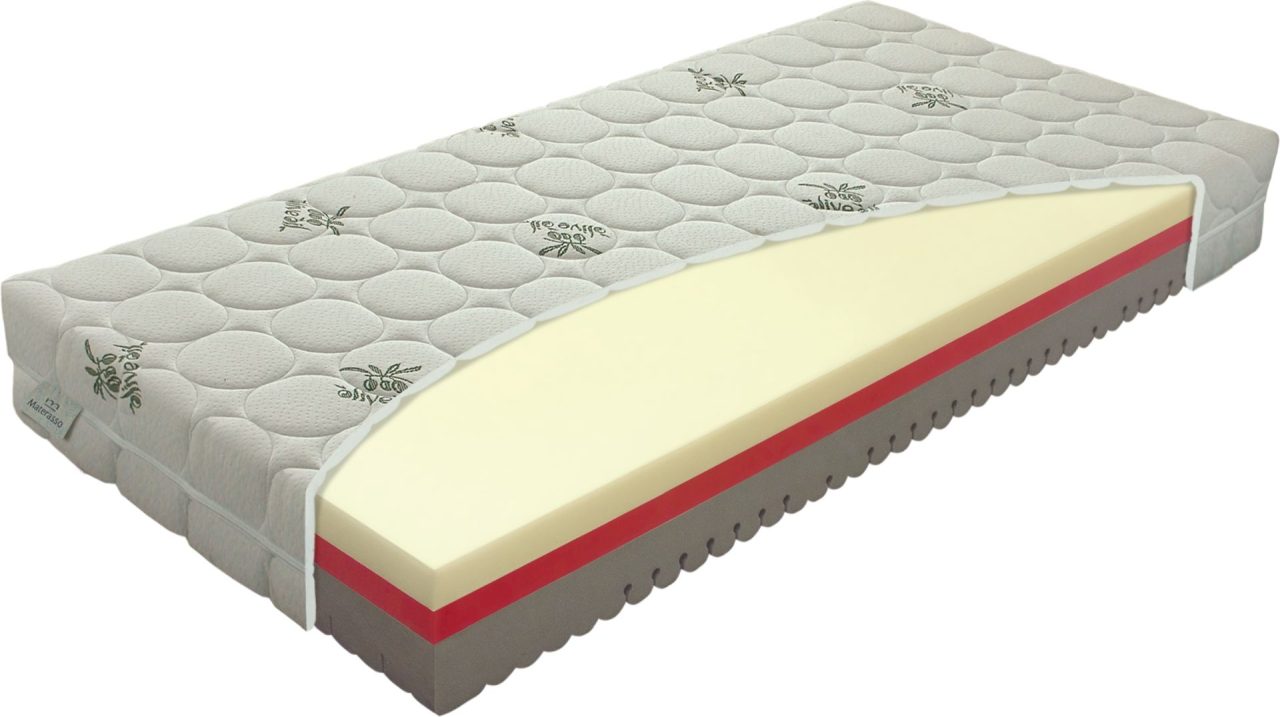
A typical representative of an anti-allergic mattress is COMFORT Antibacterial, which is made up of comfortable foams. The centre of the core is complemented by SANITIZED antibacterial foam, which provides protection against bacteria, mites and mould. The mattress includes a cover washable at 60°C, which is the optimal temperature for destroying all bacteria and allergens.
Image: Mattress with anti-allergic foam core.
Bedding and bed linen in which allergens don’t bite
Healthy sleep is not only supported by a mattress suitable for allergy sufferers, but also by the right choice of bedding and bed linen.
Bedding for allergy sufferers
You can get rid of allergy symptoms if you choose bedding filled with hollow fibre. It is also advisable to be able to wash them. You should definitely avoid organic filling, which is feathers or sheep’s fleece.
What to put the bedding in?
When choosing bed linen, focus on the material, but also the quality of the design. You should wash your bed linen at least once every 2 weeks at 60 °C, ideally at 95 °C. The maximum washing temperature can be found on the label. Even at 60 °C you will get rid of all allergens. Because of the spread of allergens through the air, drying is not recommended outdoors, but rather in the dryer.
The best material is cotton, which can withstand high washing temperatures, is comfortable, breathable and absorbs sweat. Another option is microfibre. It may not be naturally sourced, but it won’t harbour dust mites. You can also reach for bamboo, which wicks sweat away from the skin.
Enjoy a restful sleep without itching, scratching and sniffling. You can buy antibacterial mattresses from selected retailers who offer Materasso products.
Abychom poskytli co nejlepší služby, používáme k ukládání a/nebo přístupu k informacím o zařízení, technologie jako jsou soubory cookies. Souhlas s těmito technologiemi nám umožní zpracovávat údaje, jako je chování při procházení nebo jedinečná ID na tomto webu. Nesouhlas nebo odvolání souhlasu může nepříznivě ovlivnit určité vlastnosti a funkce.
Funkční
Always active
Technické uložení nebo přístup je nezbytně nutný pro legitimní účel umožnění použití konkrétní služby, kterou si odběratel nebo uživatel výslovně vyžádal, nebo pouze za účelem provedení přenosu sdělení prostřednictvím sítě elektronických komunikací.
Předvolby
Technické uložení nebo přístup je nezbytný pro legitimní účel ukládání preferencí, které nejsou požadovány odběratelem nebo uživatelem.
Statistiky
Technické uložení nebo přístup, který se používá výhradně pro statistické účely.Technické uložení nebo přístup, který se používá výhradně pro anonymní statistické účely. Bez předvolání, dobrovolného plnění ze strany vašeho Poskytovatele internetových služeb nebo dalších záznamů od třetí strany nelze informace, uložené nebo získané pouze pro tento účel, obvykle použít k vaší identifikaci.
Marketing
Technické uložení nebo přístup je nutný k vytvoření uživatelských profilů za účelem zasílání reklamy nebo sledování uživatele na webových stránkách nebo několika webových stránkách pro podobné marketingové účely.