Choosing a spring mattress? We’ll tell you the difference between the classic and the pocket version
Sometimes it can be difficult to understand the different types of mattresses. Many people confuse names such as spring or pocket mattresses without knowing that a pocket mattress is a spring mattress, but a spring mattress is not a pocket mattress. How do we know?
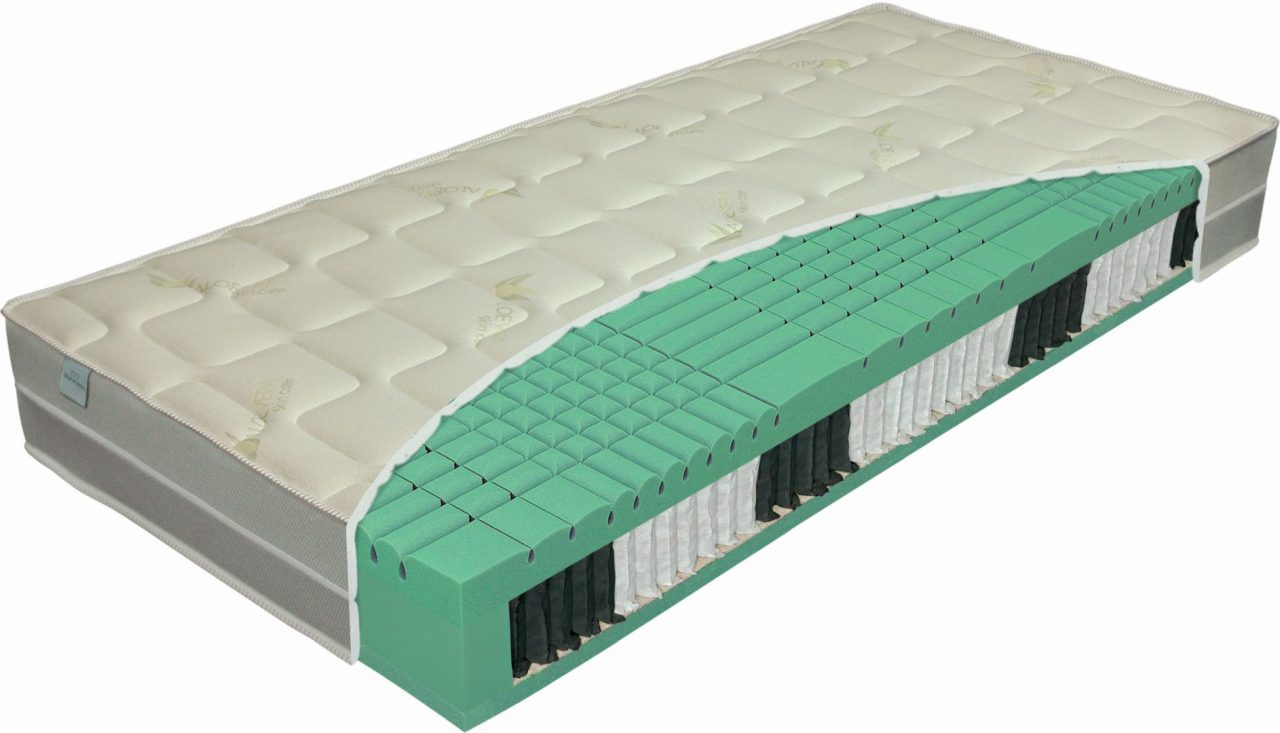
Image: Aloe Bio-Ex pocket spring mattress.
The difference between a bonello and a pouch
There’s no spring like a spring. Depending on the springs used to fill the core, spring mattresses are divided into classic bonell or modern pocket springs.
Bonello mattress
Under this term you can imagine a classic spring mattress.
Steel wire is used for the manufacture of springs.
The springs are large and interconnected into a single unit, so that compressing one spring will affect the springs near it.
The Bonello mattress has only one firmness and cannot be zoned.
This type of spring is of higher quality than the springs used in your grandmother’s mattresses, but it is still unfashionable today.
Bonell mattresses are replacing the advanced pocket mattresses.
These classic mattresses are not suitable for everyday sleeping, but only for occasional sleepovers.
Bag mattress
The core of the mattress is made up of hundreds to thousands of smaller springs.
Each spring is sewn into a special fabric sleeve, so they visually resemble small rollers.
The springs themselves are not connected to each other, only the textile sleeves are connected.
Thanks to the interconnection of the textile sleeves, each spring can react independently to compression.
Springs that are not subjected to pressure remain unchanged.
This type of mattress can be zoned, i.e. each part of the mattress can have a different firmness.
Zoning is done by inserting springs of different diameters and stiffness into the bags. As a result, the mattresses boast a high point elasticity and can optimally follow the irregularities of the human body.
The more springs in the mattress, the higher the elasticity score.
This type of mattress is suitable for everyday sleeping.
In the following lines, we will discuss each type of mattress separately, introduce you to their advantages and disadvantages and reveal who sleeps well on them.
A pocket mattress composed of thousands of springs
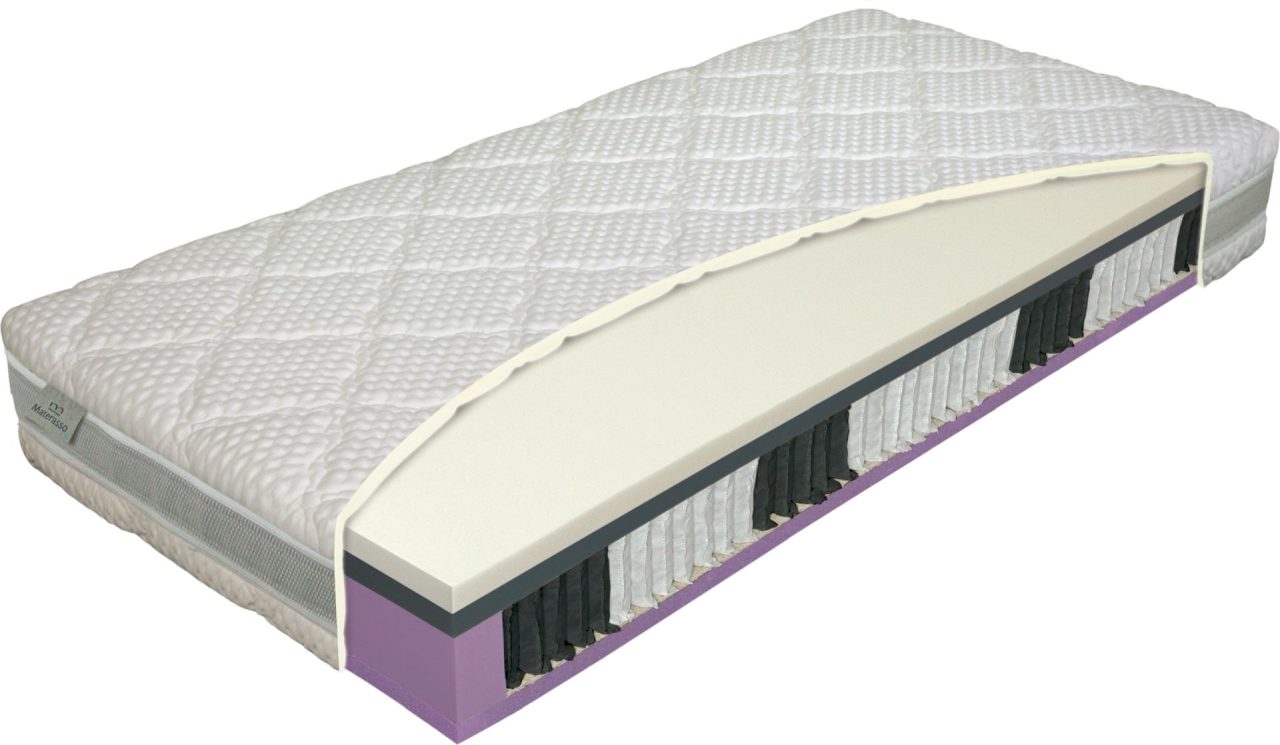
A pocket spring mattress is a spring mattress, but the distribution of the core is different from a classic bonell mattress. The 5 cm diameter springs are not laced together with wires and do not form a unit as in a bonell mattress. The springs are placed in small fabric bags, which give the mattress its name. The pocket core mattress is a modern type of spring mattress that has surpassed the classic bonell mattress in many ways.
Image: A thousand bags in the core ensure perfect pressure distribution.
Spring density
When comparing two pocket mattresses, always consider the density of the springs. Remember that there is a big difference between the total number of springs and the number per square metre. Standard pocket mattresses have a density of about 256 springs per square metre and most customers are happy with them. However, there are also so-called Multi-Pocket pocket cores with 650 pieces per square metre or Micro-Pocket with twice that number per square metre. The more springs in the core, the more stable and less springy it is.
The durability of bag mattresses is calculated for decades, their advantage is high load-bearing capacity. They can be slept on by people weighing between 120 and 150 kilograms. Like a bonell mattress, the spring core has a reinforcing fabric that protects the mattress against spring extrusion. Softer pocket mattresses have soft foams, while harder ones have, for example, coconut boards.
When to opt for a pocket mattress
Like the bonell mattress, the pocket mattress has a high load capacity, making it suitable for higher weight people who find sandwich or cold foam mattresses short-lived. Breathability is definitely a great feature as well, so they can tolerate wetter environments well without bacteria or mold forming. The anatomical zoning option makes them suitable for everyday healthy sleeping. See if you’re sleeping on a cramped mattress.
A pocket mattress can lie on a solid slab, but a slatted or slatted mattress is a better choice for air circulation. They are not recommended for combination with reclining mattresses due to possible damage.
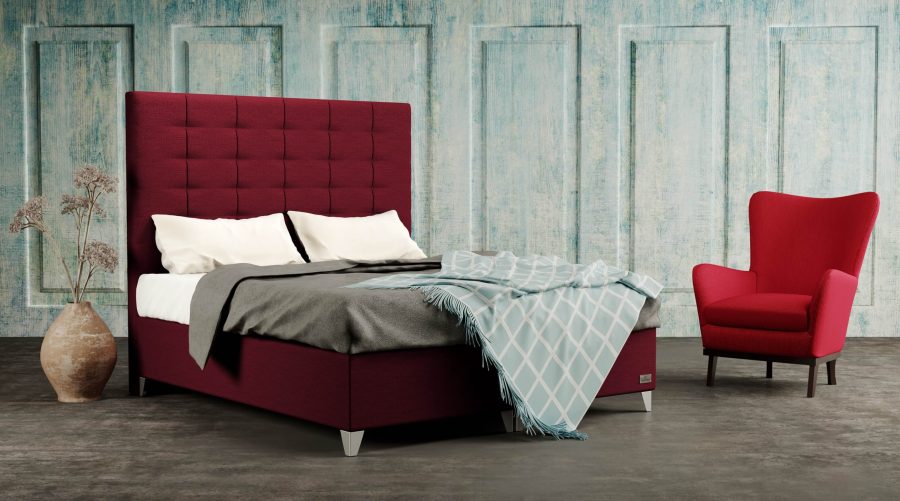
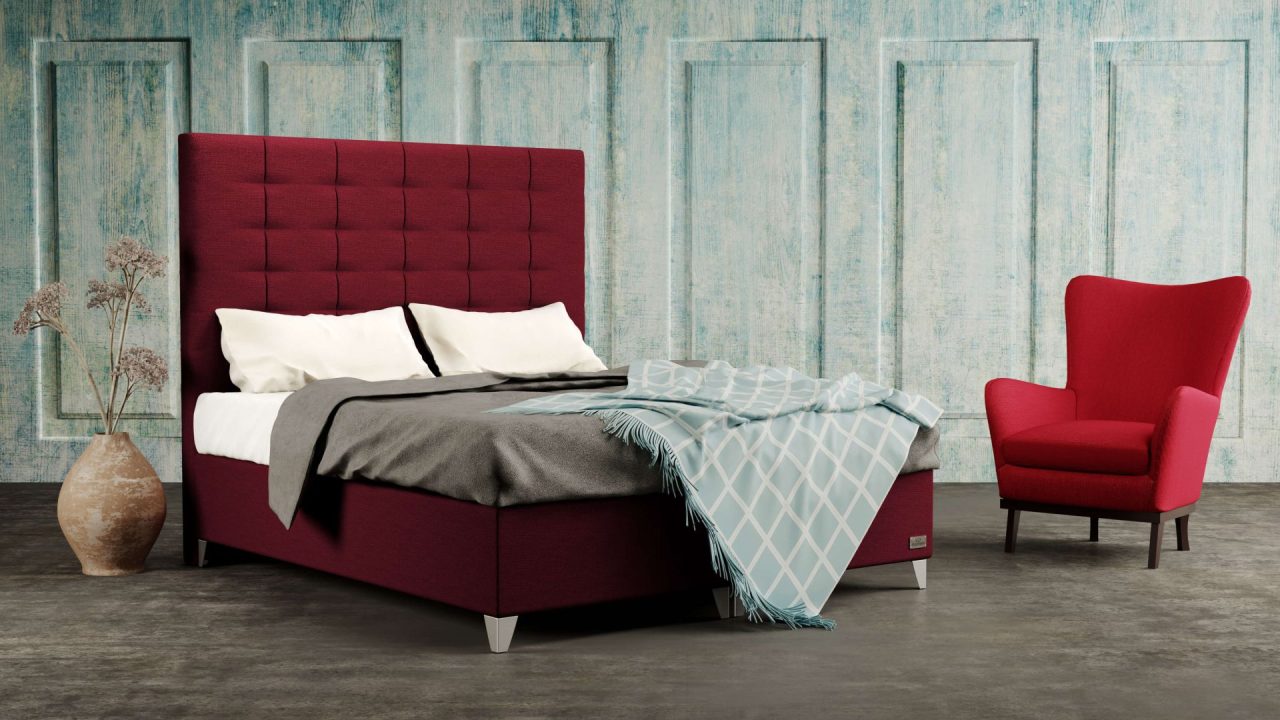
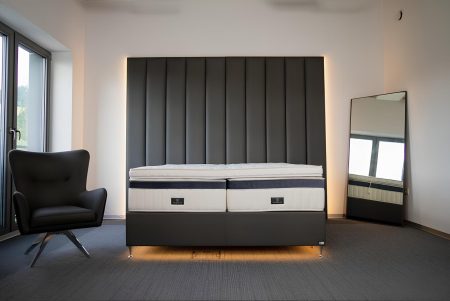
A spring core mattress can be found in continental beds, which are characterised by two mattresses (spring and foam) with the option of a third layer, which is a topper.
Image: the spring mattress forms the basis of the continental bed.
Advantages and disadvantages of a pocket mattress
+ high point elasticity
+ zoning option
+ breathability
+ high load capacity
+ suitable for everyday sleeping
– higher purchase price
– higher weight due to the number of springs
Traditional spring mattress upgraded with bonell springs
Many people reject spring mattresses because of preconceived ideas that stem from their past experiences. As a rule, grandmothers used to sleep on them, and it was a truly adventurous sleep. The springs creaked due to poor manufacturing and the springs were not exempt from being ejected. A comfortable sleep was out of the question in this respect.
Image: earlier spring mattresses tended to push upwards. Bonell springs have eliminated this problem.
Change lies at the core
Spring mattresses, and especially their cores, have undergone a renaissance. Although the innovation may not be obvious at first glance, as the core is still made up of metal or steel wires, believe that the change lies in the strength of the wires, their number and the way they are seated. What is different, then, are the springs that make up today’s spring mattresses.
Bonell springs are used to fill contemporary spring mattresses. They are made of thinner steel wires that are interconnected to form a single unit. As a result, the mattress has the same firmness over a long period of use. When you lie down on it, the pressure is distributed among several springs. The entire surface is made up of 100 to 200 springs.
However, the mattress is not only made up of springs, but also other layers that enhance a comfortable sleep. A spring mattress can consist of, for example:
the bottom felt layer,
bonell springs,
polyurethane foam,
elastic HR foam,
washable cover.
If you are going to buy a spring mattress for your double bed, it is recommended that each partner buys their own mattress. A twin mattress would not be suitable because of the interlocking springs across the width, as the other partner would feel every movement.
For whom and where spring mattresses are suitable
The choice of this mattress is suitable for those who prefer a firm to extra firm mattress. The spring system is, of course, fitted with an anti-pinch protective layer and foams. Depending on how firm you want your mattress, choose softer or firmer high-density foams. Bonell mattresses are slightly less comfortable than pocket sprung mattresses and are more suitable for occasional sleepovers, for example at the cottage.
The spring mattress has excellent breathability, great elasticity and the possibility of high loads up to 150 kilograms. Due to the good air circulation, it is also suitable for places with higher humidity or limited ventilation. In bed, they should be placed on a solid board or a solid slatted grid, with no more than 4 centimetres between the slats. Gaps of around 6 centimetres could already cause deformation. The mattress should not be placed on a reclining mattress because of possible damage.
Advantages and disadvantages
+ they respond correctly to the body and to the solid plate
Abychom poskytli co nejlepší služby, používáme k ukládání a/nebo přístupu k informacím o zařízení, technologie jako jsou soubory cookies. Souhlas s těmito technologiemi nám umožní zpracovávat údaje, jako je chování při procházení nebo jedinečná ID na tomto webu. Nesouhlas nebo odvolání souhlasu může nepříznivě ovlivnit určité vlastnosti a funkce.
Funkční
Always active
Technické uložení nebo přístup je nezbytně nutný pro legitimní účel umožnění použití konkrétní služby, kterou si odběratel nebo uživatel výslovně vyžádal, nebo pouze za účelem provedení přenosu sdělení prostřednictvím sítě elektronických komunikací.
Předvolby
Technické uložení nebo přístup je nezbytný pro legitimní účel ukládání preferencí, které nejsou požadovány odběratelem nebo uživatelem.
Statistiky
Technické uložení nebo přístup, který se používá výhradně pro statistické účely.Technické uložení nebo přístup, který se používá výhradně pro anonymní statistické účely. Bez předvolání, dobrovolného plnění ze strany vašeho Poskytovatele internetových služeb nebo dalších záznamů od třetí strany nelze informace, uložené nebo získané pouze pro tento účel, obvykle použít k vaší identifikaci.
Marketing
Technické uložení nebo přístup je nutný k vytvoření uživatelských profilů za účelem zasílání reklamy nebo sledování uživatele na webových stránkách nebo několika webových stránkách pro podobné marketingové účely.