Children’s sleep: from a baby cot to a big bed for older children
6 minutes of reading
15
Feb
Moving a child from a crib to a big bed is a big topic for many parents. When is the right time? What bed to choose, what mattress and what bedding will be most suitable? Always rely on the fact that quality materials are the key to healthy sleep and long product life.
When is the best time to get your child their own big bed
Many parents ponder the question of when and how to move their offspring to a classic bed so that it is not unnecessarily stressful for him. The question of timing is contentious. Usually, a time around 2. to 3 years, but it is not a requirement. It depends on a number of factors. So let your own intuition guide you. If you are hesitant, answer a few key questions:
Does your baby sleep through the night?
Is the crib dangerous for him because he can already climb over the side rails?
Has your baby outgrown the crib?
When the child gets out of bed, is he able to get back in on his own?
If you answer yes to all the questions, don’t hesitate to move. However, there are a few rules.
Don’t be in a hurry
Most children love the big bed because they are free to leave it at any time. But some find the change harder to cope with. If you’re expecting a second child and plan to use the cot for him or her, start gradually moving your older child into his or her own bed as soon as possible. He should have plenty of time to get used to the bed. The younger sibling may become jealous and feel left out if the baby “takes” his cot.
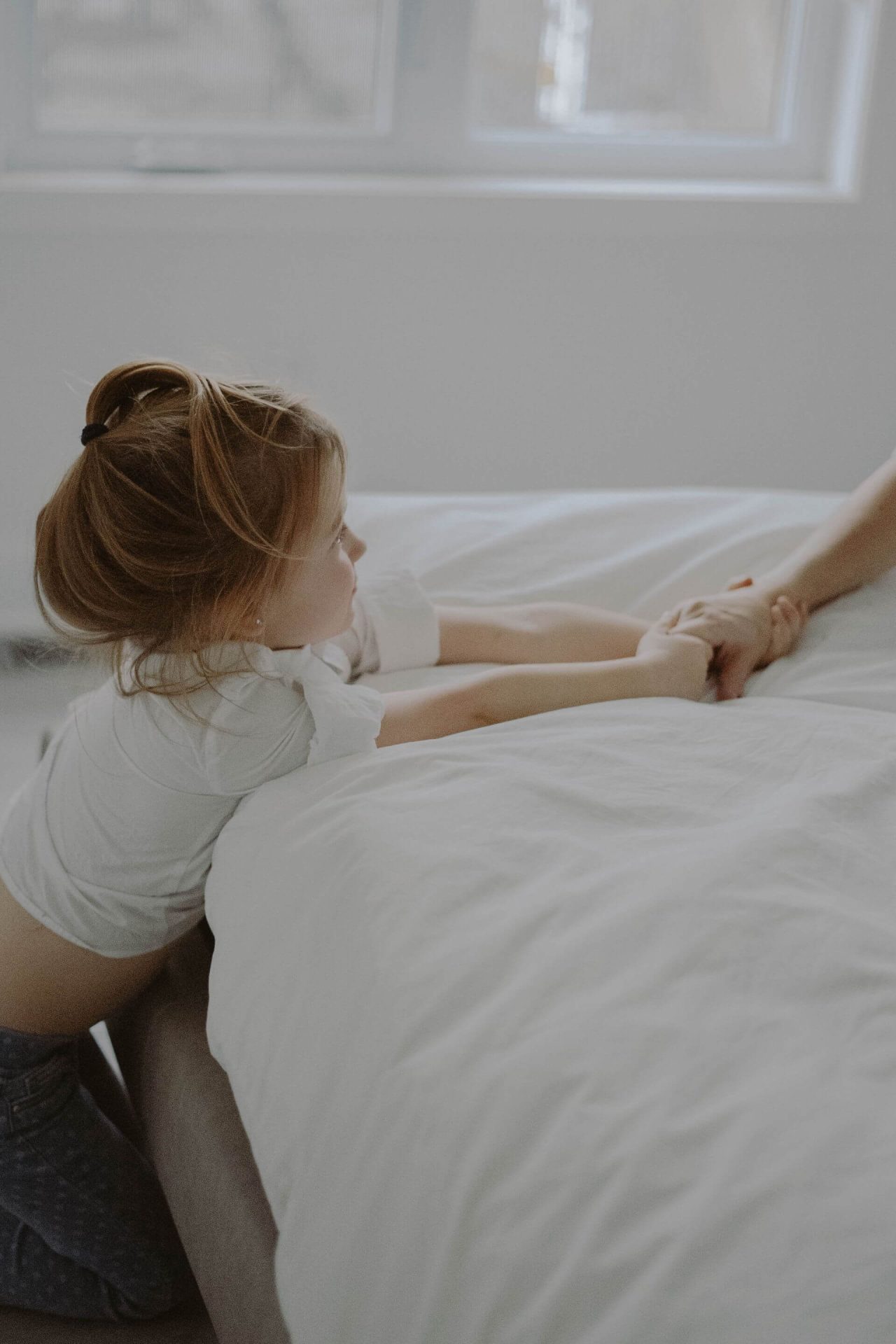
Image: Don’t rush children who are less able to cope with change.
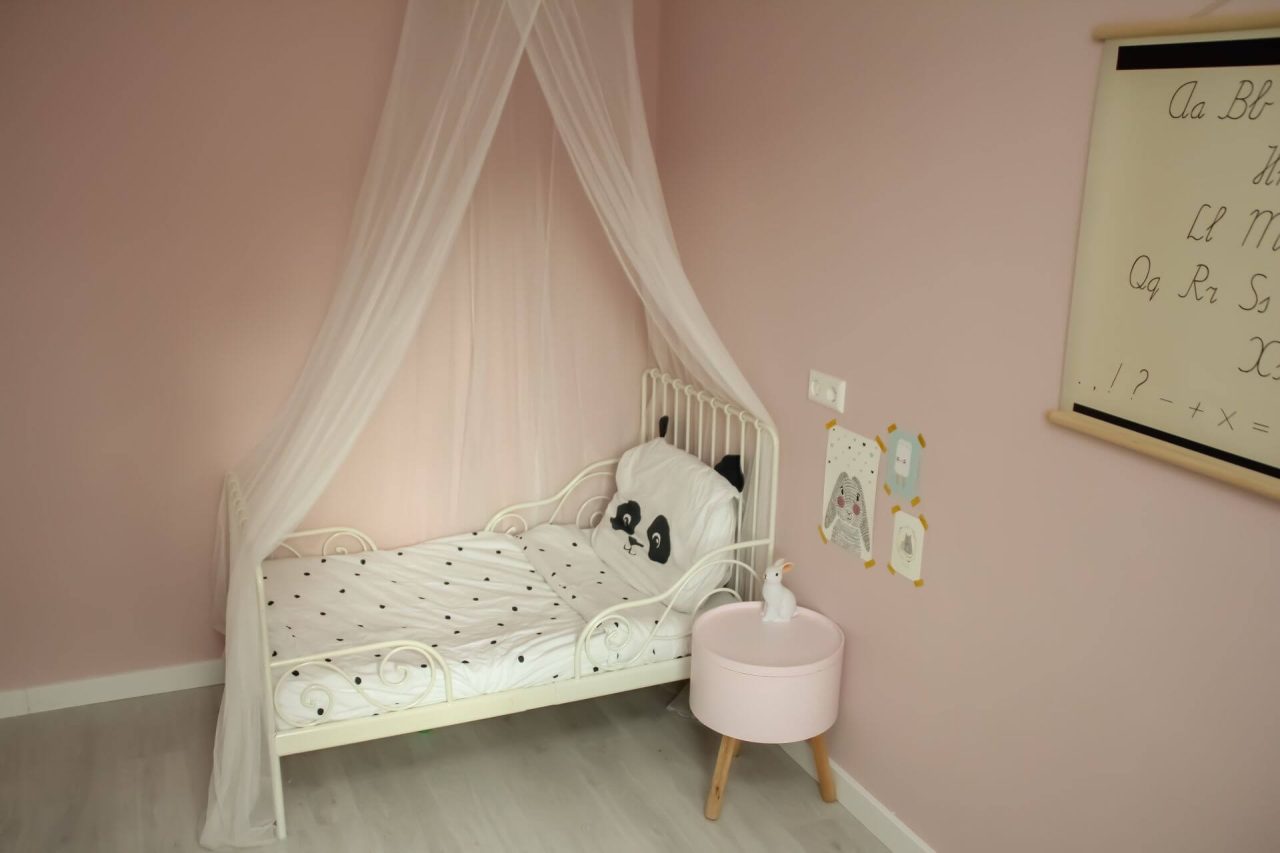
If you already know that you won’t be able to make the move to the cot before you bring your baby home from the hospital, you’d better wait a while until the whole family is settled. The newborn can sleep in the crib for now. For the older one, you can add a large bed to the cot and give him the choice. If you don’t have enough space, put the bed where the cot used to be and try to entice the baby with nice bedding or soft stuffed animals.
What to look for when choosing a bed for a child
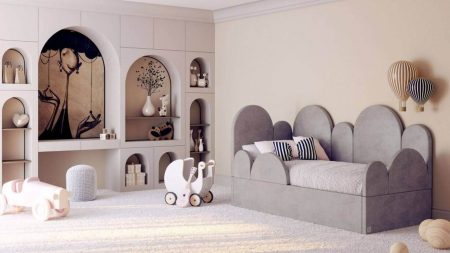
When choosing a bed, you have two options. You can either go for a special bed for toddlers, which is smaller than a regular bed, or you can get a bed like an adult bed. Either way, the bed must be safe and healthy. Check with the manufacturer to make sure it is safe. Initially, the bed should have side barriers to prevent the child from falling. Also make sure that the bed does not have sharp edges and that screws do not protrude from the bed.
Beds for children should be made of a material that is easy to maintain. Most often you will come across beds made of:
solid wood – they boast a long service life, are 100% safe and suitable for allergy sufferers. However, the material is susceptible to scratches and its purchase price is higher.
Chipboard and laminate – the advantage is high hardness, easy maintenance and a pleasant purchase price. The disadvantages are lower durability and shorter service life.
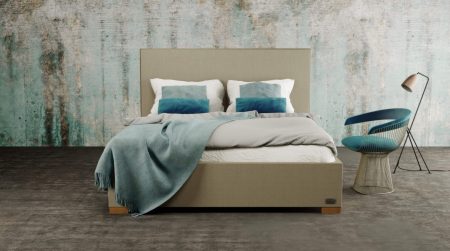
Metal beds, which are cold, are not suitable for children’s rooms, nor are upholstered beds, which are high maintenance and unsuitable for allergy sufferers.
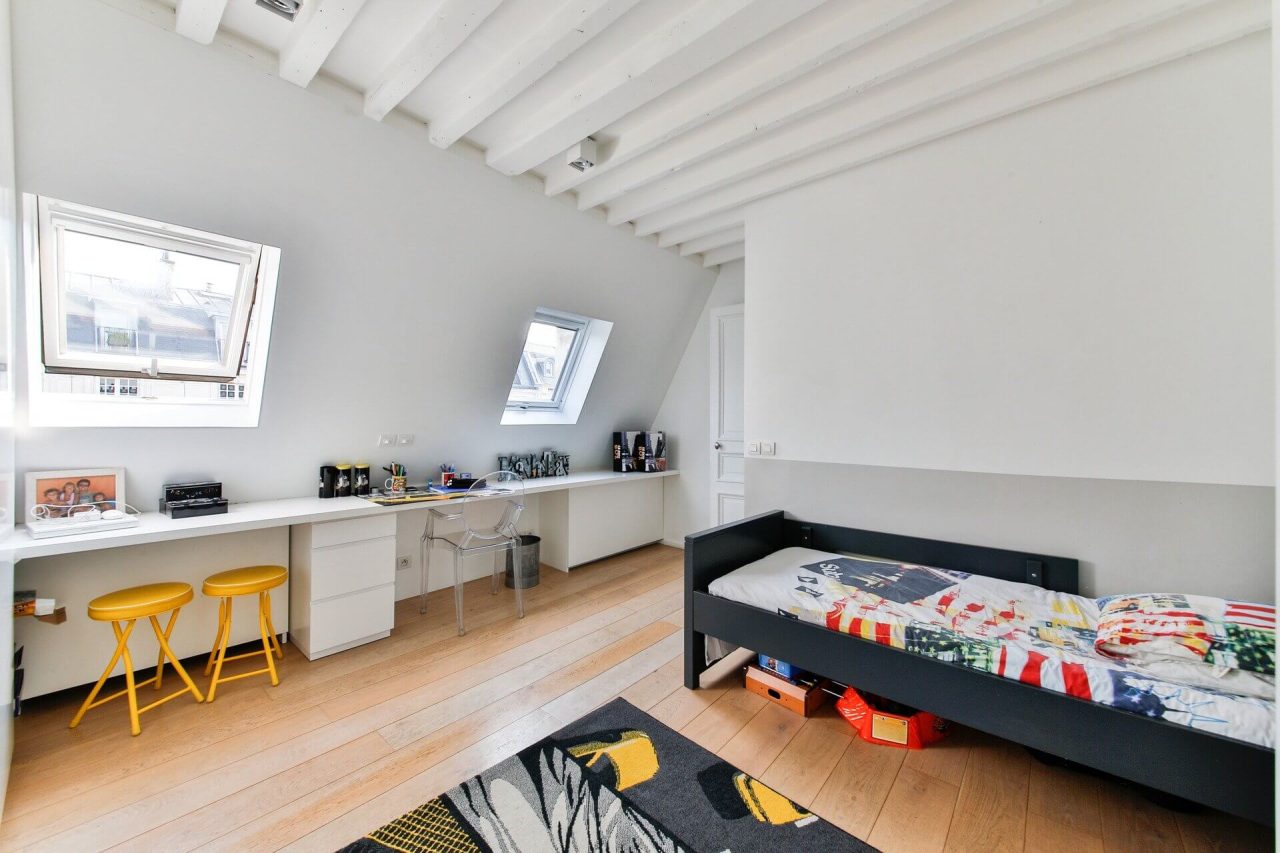
Image: The material of the bed contributes to its durability and maintenance.
How to choose a grate and mattress for a child
Although the appearance of the bed will be what catches your eye when you choose it, the mattress and the grid will be much more important. The mattress can be wooden, slatted or adjustable. It is important that it distributes the pressure on the mattress well and ensures good ventilation.
When choosing a mattress, don’t be fooled into thinking you’re choosing one for an adult bed, as it will be slept on by a child whose support system is still developing. So don’t invest in a mattress with zoning, but go for a single firmness mattress. Medium to higher firmness mattresses made from breathable foams are best.
Think about the maintenance of your mattress. It may happen that the child wets the mattress or vomits during the night. It is therefore advisable to reach for a mattress with a removable and washable cover or to buy a mattress protector. The mattress cover should be washable at least at 60 °C.
To burrow into the covers
Once you’ve chosen a bed, a mattress and a suitable mattress, all that’s left is bedding and beautiful bedding. A pillow is only put in the bed for children from about 3 years of age. They don’t belong in bed until then. The spine develops better when it is flat. As soon as you move your child into bed and plan to get him a pillow, reach for a baby pillow. Traditional adult pillows are too high, which is not suitable for the development of a child’s spine. So reach for a lower pillow or one with adjustable filling. Choose the size of the blanket according to the size of the bed.
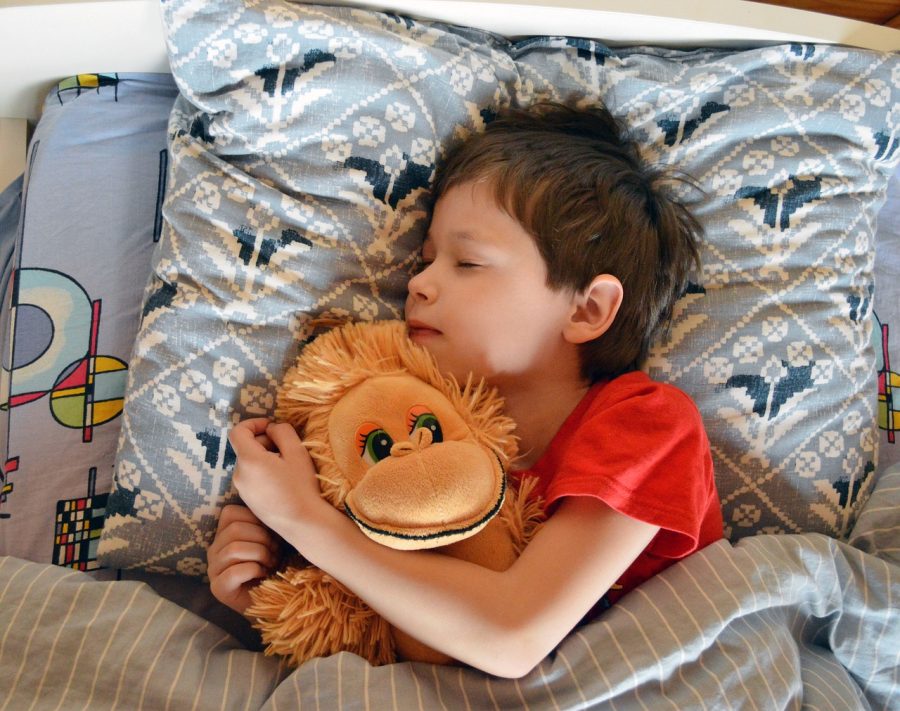
Image: choose the bedding according to your child’s interests.
Bedding filling
Bedding differs not only in the material of the cover, but also in the type of filling and its weight.
Hollow fibre – mainly used for summer bedding as it wicks away sweat more easily.
Lyocell fibre – this is a natural breathable material made from wood pulp. It wicks sweat well and is naturally antibacterial.
Feathers – not so widespread nowadays. It is especially popular in winter as it insulates well. Its disadvantage is complicated maintenance. Feathers are not suitable for allergy sufferers.
If you have an allergy sufferer at home, make sure that your bedding can be washed at least at 60 °C. Do not make the bed immediately after waking up, but let the duvet air out well. This will prevent the growth of mites and micro-organisms.
Linen that entertains
To make your child love the big bed, get him bedding with motifs from his favourite fairy tale. You can’t go wrong with pictures of animals or favourite toys. The appearance will be of particular interest to your little one, you as parents should focus on quality material. Above all, it should be as absorbent and breathable as possible.
It is best to reach for natural materials. In most cases, you will come across linen and classic cotton. The latter is pleasant to children’s skin, does not cause allergic reactions and can be washed even at higher temperatures.
Abychom poskytli co nejlepší služby, používáme k ukládání a/nebo přístupu k informacím o zařízení, technologie jako jsou soubory cookies. Souhlas s těmito technologiemi nám umožní zpracovávat údaje, jako je chování při procházení nebo jedinečná ID na tomto webu. Nesouhlas nebo odvolání souhlasu může nepříznivě ovlivnit určité vlastnosti a funkce.
Funkční
Always active
Technické uložení nebo přístup je nezbytně nutný pro legitimní účel umožnění použití konkrétní služby, kterou si odběratel nebo uživatel výslovně vyžádal, nebo pouze za účelem provedení přenosu sdělení prostřednictvím sítě elektronických komunikací.
Předvolby
Technické uložení nebo přístup je nezbytný pro legitimní účel ukládání preferencí, které nejsou požadovány odběratelem nebo uživatelem.
Statistiky
Technické uložení nebo přístup, který se používá výhradně pro statistické účely.Technické uložení nebo přístup, který se používá výhradně pro anonymní statistické účely. Bez předvolání, dobrovolného plnění ze strany vašeho Poskytovatele internetových služeb nebo dalších záznamů od třetí strany nelze informace, uložené nebo získané pouze pro tento účel, obvykle použít k vaší identifikaci.
Marketing
Technické uložení nebo přístup je nutný k vytvoření uživatelských profilů za účelem zasílání reklamy nebo sledování uživatele na webových stránkách nebo několika webových stránkách pro podobné marketingové účely.