How to wash bed linen and clean pillows and mattresses
8 minutes of reading
03
May
It is said that cleanliness is half the health, and in the case of beds and cots this is doubly true. Since we spend on average about a third of our lives in bed, it’s important to keep it clean. Find out how to care for your bed linen, duvets and pillows and mattresses to keep them clean and smelling fresh.
What do you learn in this article?
What are the advantages and disadvantages of the most popular bedding materials,
how to wash the sheets,
how often to wash the sheets,
how often to wash duvets and pillows,
how to clean a down pillow and a memory foam pillow,
why mattress protectors are important,
how to disinfect mattresses and how to care for the mattress cover.
Bed linen must not only be pretty, but also functional
There are a number of aspects that contribute to the quality of your sleep, one of which is the choice of bed linen. Comfortable bedding and sheet material that has great properties is guaranteed to make you look forward to bed.
What bedding material to choose?
Today, there is a wide range of bed linen available on the market in a variety of colours and patterns. However, you should not only look at the appearance of the bed linen, but also at its material. What are the differences between different bedding materials and what are the advantages and disadvantages of natural materials and synthetic materials?
Cotton
Cotton is undoubtedly the most popular material for bed linen. This natural material is suitable for allergy sufferers and people with sensitive skin, 100% cotton is also a suitable bedding material for children. The advantage of cotton is that it is lightweight, absorbent and breathable and you can wash cotton bed linen at higher temperatures. The only disadvantage is that it is more squishy.
Krep
Crepe linen is made of 100% cotton and is especially popular for its easy maintenance, as it does not require ironing. In addition, it has excellent thermoregulating properties, which means that it is pleasantly cool in summer and warm in winter. However, its distinctive finish may not be to everyone’s taste.
Flannel
If you’re looking for a warm and soft material that you’ll love, especially in the winter months, you’ll love flannel. It is a tightly woven cotton fabric with a high grammage. Thanks to this treatment, the linen has a short pile on the surface, making the material very pleasant to the touch. The downside, however, is that it can shed tiny fibres. When washing flannel bed linen, it is advisable to use a delicate detergent to protect the surface.
Terry
Another warm material is terry, which combines natural cotton fibre with man-made fibre. Terry sheets are soft and pleasant to the touch, but the larger meshes of this material are more prone to snagging.
Microfleece
Microfleece belongs to synthetic materials. Microfleece bed linen is warm and easy to care for. However, some people may be bothered by the fact that it is usually made of 100% polyester.
Natural vs. synthetic materials
Are you hesitating over whether to choose bedding made of natural materials or opt for that made of synthetic materials? Linen made of natural materials is still the most common choice of Czech households. Natural materials are renewable, are pleasant to the touch and are also breathable. The most popular synthetic bedding materials include microfiber, microfleece, microflannel and microsatin. The advantage of these synthetic materials is easy maintenance as well as durability, on the other hand, the disadvantages are that these materials do not absorb sweat and are slippery.
Cotton is the most popular bedding material.
How to wash bed linen?
There can be no doubt about the importance of washing bed linen regularly. The proof is in a study that showed that unwashed pillowcases had 17,000 times more bacteria than a toilet seat after one week. Not only bacteria and viruses, but also dead skin cells collect in the bed. Unwashed bedding is also a haven for dust mites.
So how often should I wash my bed linen? According to surveys, Czechs wash their bed linen once every four to five weeks. But is that enough? Experts agree that bed linen should ideally be changed once every two weeks. If you are sick or sweat a lot in summer, you should wash your bed linen even more often.
If you have bought new bed linen, you should also wash it before using it for the first time. The care of bed linen and sheets should be based on the material the bed linen is made of. Therefore, which programme and how many settings to wash your bedding on should be based on the manufacturer’s instructions on the label. In general, it is recommended to select a maximum temperature of 40 °C for washing. Higher temperatures can lead to colour fading and reduced linen life. However, for lightweight summer fabrics such as microfibre or satin, reduce the temperature to 30 °C. Wash the bed linen with the button on and on the reverse side.
The care of the pillow and duvet depends on the filling
Washing bed linen is undoubtedly important, but is it necessary to wash the duvet and pillow as well? Yes, pillows and duvets also collect sweat, dust mites and dust. Washing not only gets rid of dirt but also extends the life of your duvets and pillows.
How to wash a pillow?
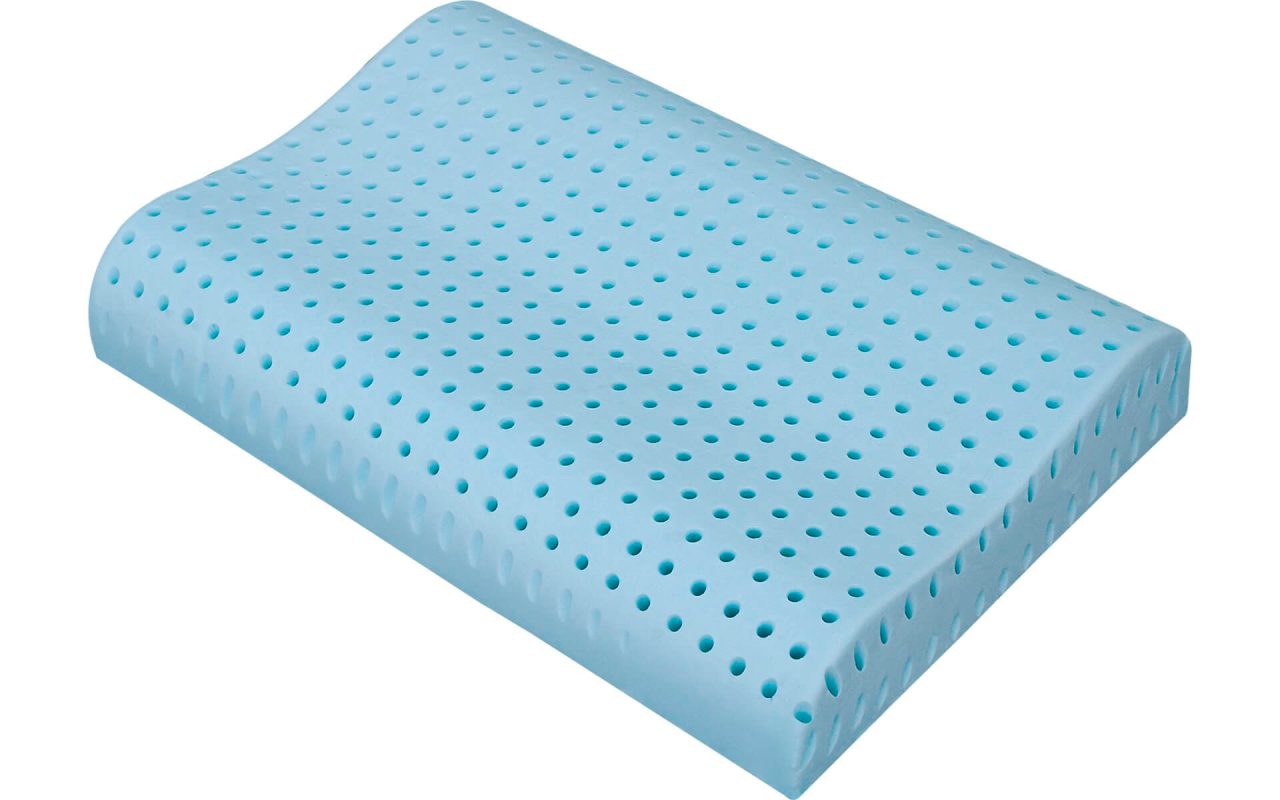
The maintenance of the pillow should of course again depend on the material of which the pillow is made. So how to wash a memory foam pillow and how to wash a feather pillow? Anatomical pillows made of memory foam do not belong in the washing machine or dryer. They must therefore be washed by hand. Put the pillow in a tub of warm water and add one tablespoon of liquid detergent. After washing, rinse the detergent thoroughly with water and let the pillow dry freely.
Wash feather pillows and duvets at the lowest possible temperature, ideally 30 °C. Some washing machines also offer special programmes. For down pillows, you can choose the bedding programme or the delicate or wool programme. When washing, don’t use regular detergents, which can degrease the feathers, but choose special detergents for feathers. Bedding with feathers can be air-dried or tumble-dried.
Not sure how often to wash your duvet and pillow? Pillows and duvets should be washed once or twice a year and more often if they are heavily soiled. But bear in mind that some materials should not be washed in the washing machine. The symbols on the label make it easy to tell. If duvets and pillows are not machine washable, you should air and shake them out regularly.
TIP: If you add two clean tennis balls to the dryer with the pillow, the feathers in the pillow will be evenly fluffed.
Memory foam pillows must be washed by hand.
Even mattresses require regular maintenance
Whether you wake up feeling refreshed in the morning or your whole body aches and feels sore, the mattress has a lot to do with it. That’s why choosing a good quality mattress is crucial, but so is regular maintenance.
How to clean and disinfect mattresses
Disinfecting the mattress is a frequently mentioned topic when it comes to bed care. Even a mattress can harbour a lot of dirt, whether in the form of dust, pollen or mould. Disinfecting mattresses should be done by first vacuuming the mattress. Pay special attention to the folds and seams. Afterwards, freshen it up with baking soda, which will rid the mattress of any odour from sweat. Sprinkle the baking soda on the mattress and scrub it with a brush so that the baking soda gets under the surface. Ideally, leave the soda on all day and then vacuum the mattress again. If there are stains on the mattress, clean them with mattress sanitizer. These products can take the form of dry foams or powders.
You should also ventilate and rotate the mattress regularly. Ideally, you should vacuum it every time you change your bed linen. In case you have had your mattress for 7 years or more, you should start thinking about getting a new one. No matter that you take proper and regular care of your mattress, you will not get all the mites out of it. After about 7 years, mattresses run out of hygienic safety.
Pet owners should take care of hygiene in bed.
Don’t forget the mattress cover
If your mattress has a removable cover, you should wash it in the washing machine at least twice a year. The cover should be washed at least 40 °C. However, most modern covers can be washed at 60 °C, a temperature that can kill dust mites. Some anti-allergenic covers can even be washed at 90 °C. But always follow the manufacturer’s instructions.
Mattress protectors save you a lot of work
As the name suggests, the protector is placed on the mattress and prolongs its life. Ideally, it should have a place in every bed. A mattress protector is absolutely essential if you have a sick patient at home who has a problem holding urine. The same goes for parents when sleeping with young children who wet the bed at night. To prevent mattress soiling, you should have 2 to 3 waterproof protectors that can be changed and cleaned. You will also appreciate mattress protectors if you like to eat in bed, or if your four-legged pets spend time in bed with you. Mattress protectors are also suitable for allergy sufferers and people who sweat excessively.
Now you know how to wash your sheets, pillow and mattress cover and how to disinfect your mattress. If you follow the above advice and recommendations from the experts, you can count on your bed and cot being perfectly clean and hygienic.
Abychom poskytli co nejlepší služby, používáme k ukládání a/nebo přístupu k informacím o zařízení, technologie jako jsou soubory cookies. Souhlas s těmito technologiemi nám umožní zpracovávat údaje, jako je chování při procházení nebo jedinečná ID na tomto webu. Nesouhlas nebo odvolání souhlasu může nepříznivě ovlivnit určité vlastnosti a funkce.
Funkční
Always active
Technické uložení nebo přístup je nezbytně nutný pro legitimní účel umožnění použití konkrétní služby, kterou si odběratel nebo uživatel výslovně vyžádal, nebo pouze za účelem provedení přenosu sdělení prostřednictvím sítě elektronických komunikací.
Předvolby
Technické uložení nebo přístup je nezbytný pro legitimní účel ukládání preferencí, které nejsou požadovány odběratelem nebo uživatelem.
Statistiky
Technické uložení nebo přístup, který se používá výhradně pro statistické účely.Technické uložení nebo přístup, který se používá výhradně pro anonymní statistické účely. Bez předvolání, dobrovolného plnění ze strany vašeho Poskytovatele internetových služeb nebo dalších záznamů od třetí strany nelze informace, uložené nebo získané pouze pro tento účel, obvykle použít k vaší identifikaci.
Marketing
Technické uložení nebo přístup je nutný k vytvoření uživatelských profilů za účelem zasílání reklamy nebo sledování uživatele na webových stránkách nebo několika webových stránkách pro podobné marketingové účely.